Multimillion-Dollar T. Rex Skeleton Auction Sparks Scientific Outcry
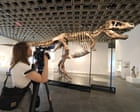
A remarkably complete Tyrannosaurus rex skeleton, discovered to date, is set to be auctioned at Sotheby's in New York with an estimated price of $20 million to $30 million. This fearsome predator once roamed western North America during the late Cretaceous period. However, paleontologists are expressing significant concern over the sale. They argue that the acquisition of such scientifically valuable fossils by wealthy private collectors can severely hinder ongoing research. The dagger-like teeth and bone-crushing bite of the T. rex made it a dominant force in its prehistoric ecosystem. The potential sale of this specimen raises alarms within the scientific community about the accessibility of crucial paleontological resources for study and public education.
The auction of significant paleontological finds like the T. rex skeleton highlights a tension between private ownership and scientific preservation. While private collectors can offer substantial financial resources, potentially leading to meticulous preservation, their acquisition can restrict access for broader scientific study and public engagement. This dynamic raises questions about the long-term stewardship of irreplaceable natural heritage. Future frameworks might consider models that balance private investment with public benefit, perhaps through facilitated access agreements or incentivized donations to institutions, ensuring that such discoveries contribute to collective knowledge and education rather than solely private collections.
AI-generated to prompt reflection — not editorial opinion, not advice, not a statement of fact. How this works.