Multiple Accidents Cause Delays on Fernão Dias Highway in Southern Minas Gerais
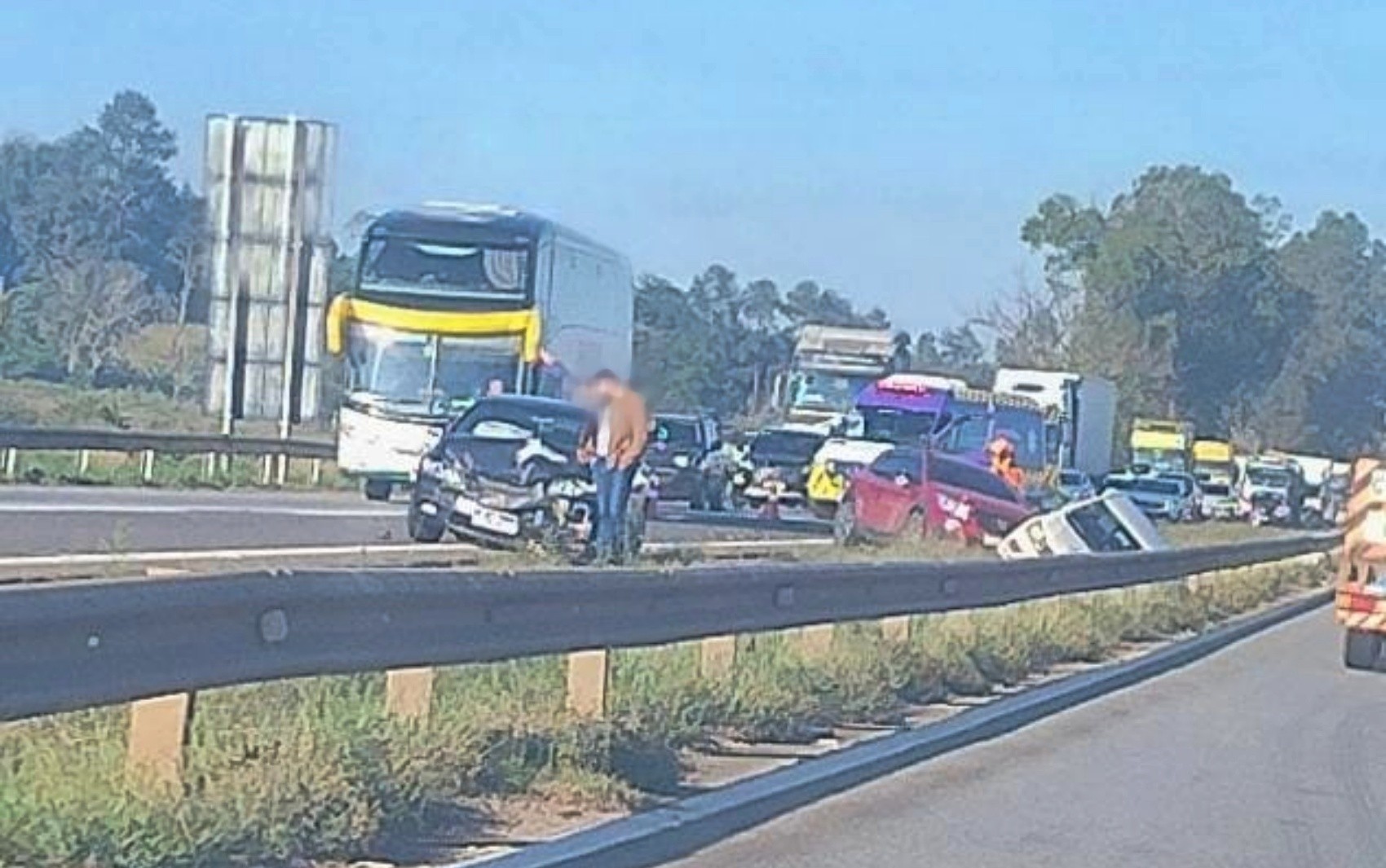
Four separate traffic accidents occurred on the Fernão Dias Highway (BR-381) in southern Minas Gerais on Thursday morning, May 9th. The incidents took place in São Sebastião da Bela Vista, Extrema, and Carmo da Cachoeira, all affecting traffic heading towards Belo Horizonte. Two individuals sustained minor injuries across the various events. The first incident happened around 5:50 AM in Extrema, where a truck collided with a drainage channel. Although one person was involved, they were unharmed and declined medical attention. This incident caused approximately 4 kilometers of traffic congestion. Shortly after, at 6:26 AM, also in Extrema, a pile-up involving three cars occurred at the same kilometer marker. Three individuals were unharmed and refused medical assessment. Later, at 7:49 AM, a three-car collision in São Sebastião da Bela Vista resulted in two people suffering minor injuries. These individuals were transported to the Regional Hospital of Pouso Alegre, while two others involved were uninjured and did not require medical care. This accident led to about 2 kilometers of delays. The final incident occurred around 9:24 AM in Carmo da Cachoeira, involving two cars and a truck. All individuals involved in this accident were evaluated and found to be unharmed, with no need for hospitalization. The highway concessionaire, Motiva Minas-SP, managed the scene and traffic flow for all incidents.
The series of accidents on the Fernão Dias Highway highlights the persistent challenges in managing high-traffic corridors, particularly concerning heavy vehicle safety and driver attentiveness. While the incidents resulted in minor injuries and manageable delays, the frequency of collisions underscores the need for continuous infrastructure review and enforcement of traffic regulations. Future considerations for such routes might include enhanced real-time traffic monitoring systems, targeted safety campaigns for truck drivers, and potentially exploring advanced driver-assistance technologies to mitigate human error. The economic impact of such disruptions, even temporary, on logistics and supply chains warrants ongoing attention to preventative safety measures.
AI-generated to prompt reflection — not editorial opinion, not advice, not a statement of fact. How this works.