Mumbai Building Collapse Kills 6, Including 5 Children, Amidst Torrential Monsoon Rains
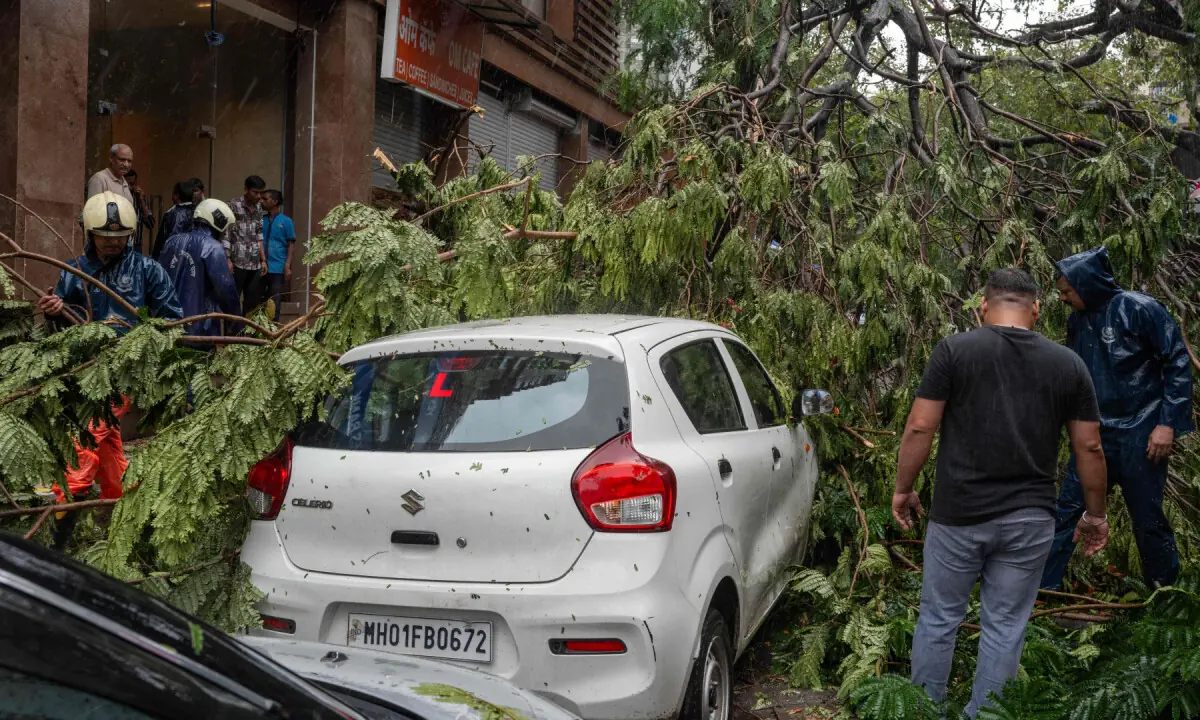
A dilapidated residential building collapsed in Mumbai's eastern suburbs on Sunday, resulting in the deaths of six people, including five children. The incident occurred as the city experienced torrential monsoon rains, with over 200 millimeters falling within a 24-hour period. Mumbai Mayor Ritu Tawde confirmed the fatalities and stated that residents were trapped under the debris. The heavy rainfall paralyzed parts of the city, leading to flooded roads and the closure of all schools and colleges on Monday. The India Meteorological Department issued a red alert for Mumbai, forecasting continued heavy rain and strong winds. Mayor Tawde urged residents to stay indoors due to the risk of falling trees and branches. This extreme weather follows weeks of intense heat, during which water usage restrictions were imposed. The city, home to over 20 million people, is also facing concerns about water resource pressure, partly due to the demands of expanding data-center infrastructure.
This event highlights the critical vulnerability of urban infrastructure in densely populated areas to extreme weather events, exacerbated by climate change. The collapse underscores the challenges faced by megacities like Mumbai in maintaining aging infrastructure while simultaneously managing the increasing demands of development, such as data centers. The interplay between climate change-induced weather pattern shifts, like intensified monsoons, and urban planning decisions regarding building codes, infrastructure resilience, and resource management presents a significant systemic risk. Future urban planning must proactively integrate climate adaptation strategies to mitigate the impact of such events, ensuring the safety and sustainability of rapidly growing populations and their essential services.
AI-generated to prompt reflection — not editorial opinion, not advice, not a statement of fact. How this works.