Mumbai Flooded by Monsoon Rains, Causing Deaths and Transport Paralysis
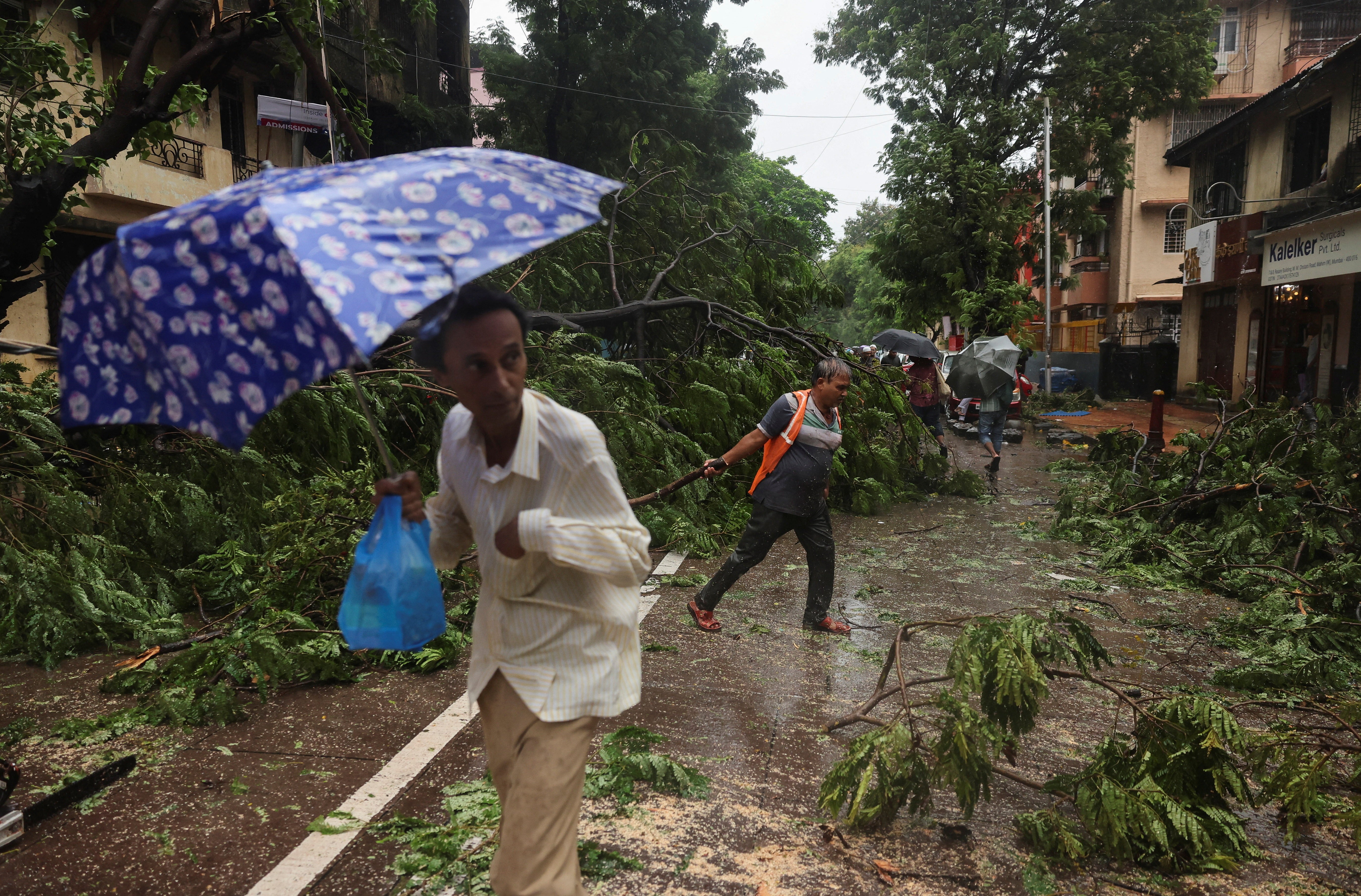
Heavy monsoon rains battered Mumbai, India's financial capital, and surrounding regions on Sunday, July 5th, leading to widespread flooding, infrastructure damage, and the paralysis of transportation services. At least six people, including one woman and five children, died when a cluster of buildings collapsed in the Mankhurd suburb. Mumbai recorded over 100 mm of rainfall, with some areas experiencing up to 161 mm. The downpours also caused several trees to fall, blocking public roads and power lines; one large tree crushed an estimated seven to eight vehicles. These tree falls have already resulted in three other fatalities in the city since late June. Landslides triggered by the storms forced the complete closure of the highway connecting Mumbai to Pune, with images showing construction debris scattered across the road and water gushing from a tunnel ceiling. In response to the danger of further incidents, Indian authorities have deployed audio warning systems in 225 villages identified as landslide-prone and assigned monitoring officials to these locations for real-time assessment and emergency coordination. The region's transportation network was severely disrupted, with flight delays at the airport, cancellations of long-distance train services, flooded urban roads, and the closure of schools and colleges on Monday, July 6th. This severe weather event follows a period of unseasonably dry conditions, with India experiencing its fifth driest June since 1901, raising concerns about agricultural output and economic growth, as the country relies heavily on monsoon rains for water resources and agriculture, which supports nearly half its population. Despite the weekend's devastation, the India Meteorological Department (IMD) forecasts that July's total rainfall nationwide may still fall below the long-term historical average.
The intense monsoon rainfall in Mumbai highlights the critical vulnerability of densely populated urban centers to extreme weather events, exacerbated by infrastructure limitations and potentially inadequate urban planning. The contrast between the recent deluge and the preceding dry spell underscores the growing unpredictability of India's monsoon patterns, a phenomenon linked to broader climate shifts. This erratic weather poses significant risks to the nation's agricultural backbone and overall economic stability, given the deep reliance on monsoon rains for water resources and food production. Future resilience will likely depend on substantial investments in climate-resilient infrastructure, improved disaster management systems, and potentially diversified economic strategies less dependent on weather-sensitive sectors.
AI-generated to prompt reflection — not editorial opinion, not advice, not a statement of fact. How this works.