Mumbai Police Employ Home Visits and Live Location Tracking to Deter Protesters
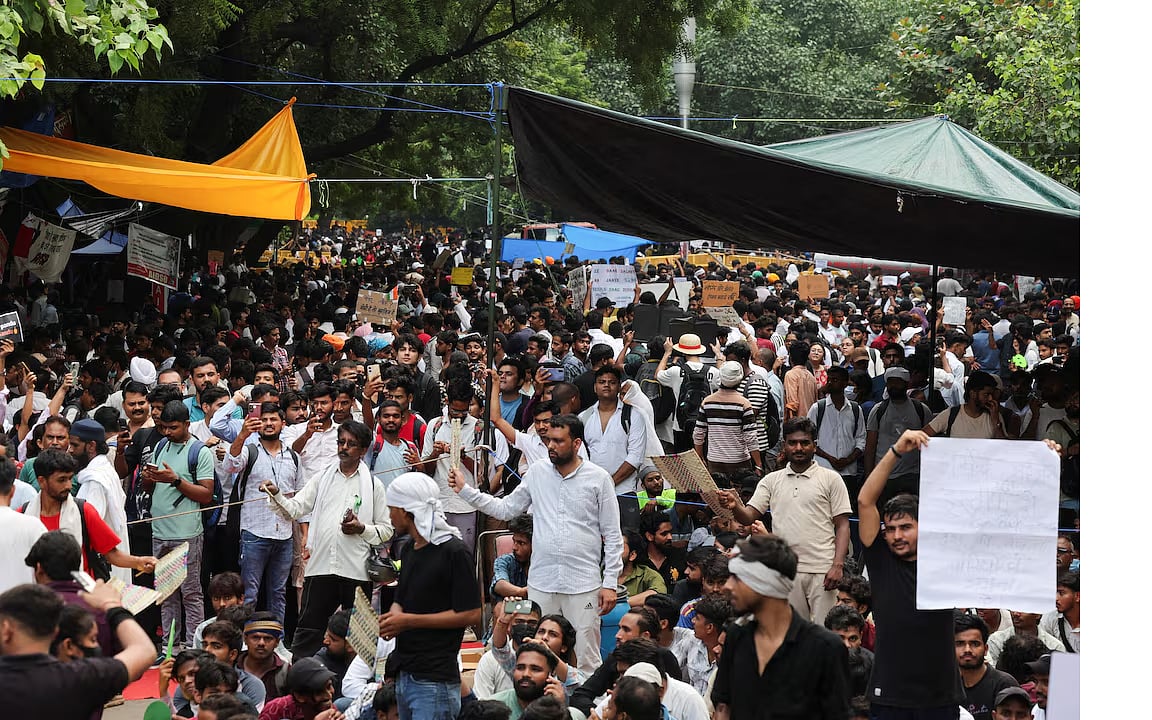
Mumbai Police are implementing a three-pronged strategy to prevent individuals named in prior First Information Reports (FIRs) from participating in further protests organized by the Cockroach Janata Party (CJP). These tactics include telephoning students to remain at home, dispatching officers to their residences, and demanding they share live location data. This information has emerged from accounts provided by multiple protesters and police officials. One protester shared a screenshot of a WhatsApp conversation on social media, where Senior Inspector Deepshikha Bhare of Versova Police Station instructed the individual to stay home and keep their live location active as proof. Bhare declined to comment on the matter, while another officer confirmed an FIR was filed against the protester, though no arrest was made. Several other protesters reported police visiting their homes directly. One individual stated that while police did not visit their own home, they went to the residences of younger protesters who had not informed their families. These visits served to inform families and discourage the youth from joining demonstrations. A 20-year-old protester received a call from Shivaji Park Police Station in the Dadar area, informing them that officers would visit their home as part of an investigation and asking them to be present. The protester perceived this as a clear tactic to prevent participation in protests. Multiple young protesters indicated that these phone calls and warnings prevented them from attending a protest on Wednesday, July 22nd. A member of Mumbai Against Suppression of Students (MASS), an alliance of student organizations, stated that most members received notices after protests on the preceding Monday and Tuesday. Some received calls on Wednesday morning, were informed they were named in an FIR, and were warned against joining further demonstrations, with police officers also visiting homes to deliver similar warnings. An engineering student who participated in a protest in Dadar reported that a friend, after receiving a police notice following Monday's demonstration, did not attend Wednesday's protest after receiving a police call. The student emphasized the importance of Wednesday's protest, as no further gatherings were planned, and their group had intended to participate together. However, the friend's absence due to the police call created a problem. A senior police official explained that the objective is to prevent young individuals, who may not fully grasp the consequences of an FIR, from jeopardizing their futures. The official also mentioned that WhatsApp groups used for organizing protests, some involving Indian students living abroad, are being examined. While efforts are underway to identify users of foreign WhatsApp numbers, the primary aim remains to discourage students from participating in protests and facing FIRs, which could impede future opportunities like passport applications.
The described police actions, including home visits and live location requests, represent a significant intervention in the right to assembly. While authorities cite the goal of preventing future legal complications for young individuals, such methods raise concerns about potential chilling effects on legitimate dissent. The use of surveillance tactics, even if framed as protective, could be interpreted as an attempt to preemptively suppress protest activity. Future analyses should consider the legal frameworks governing such police actions and their long-term impact on civic engagement and the balance between public order and individual freedoms in India.
AI-generated to prompt reflection — not editorial opinion, not advice, not a statement of fact. How this works.