Munich Faces Water Shortage Despite Claims of Abundant Supply
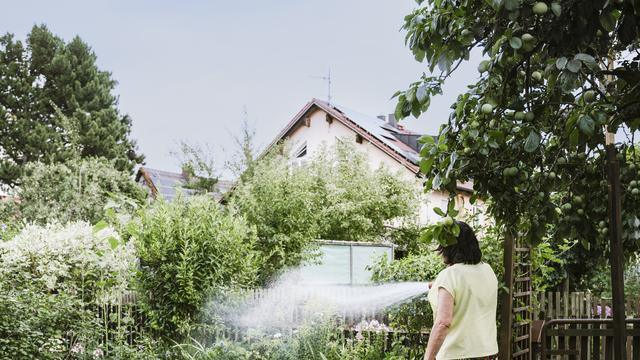
Munich, Germany, is facing a significant water shortage, prompting calls for citizens to conserve water. This situation arises despite previous assurances that the city's water sources were "inexhaustible." The discrepancy between the past claims and the current reality raises questions about the management and sustainability of Munich's water supply. Officials are now urging residents to reduce their water consumption as a precautionary measure. The reasons behind this sudden scarcity are under scrutiny, as the city grapples with the implications of not having enough water for its population. This development highlights potential vulnerabilities in urban water infrastructure and planning, even in regions perceived to have ample resources. The city's administration is expected to provide further explanations regarding the current water levels and the strategies being implemented to address the shortage.
The situation in Munich underscores a common challenge in urban resource management: the potential for perceived abundance to mask underlying vulnerabilities. While past assurances of "inexhaustible" water may have reflected historical conditions or optimistic projections, current shortages indicate a need for more robust, forward-looking water resource planning. This includes assessing the impact of climate change, population growth, and infrastructure resilience. The city's response, urging conservation, is a necessary immediate step, but it also signals a potential gap between supply and demand that requires systemic solutions. Future strategies should focus on diversifying water sources, improving water use efficiency through technological and behavioral changes, and transparently communicating resource limitations to the public to foster informed engagement and adaptation.
AI-generated to prompt reflection — not editorial opinion, not advice, not a statement of fact. How this works.