Munich OEZ Attack Anniversary: Victims' Families Feel Abandoned
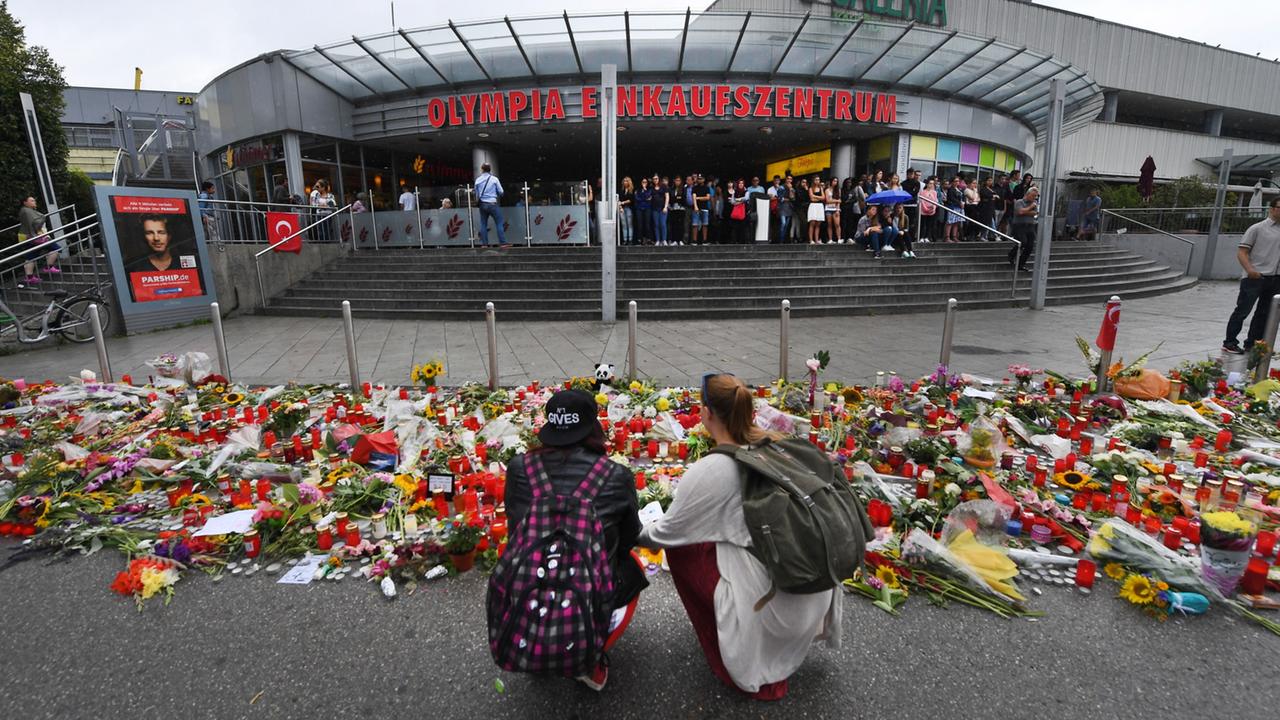
Ten years ago, a far-right extremist killed nine people at the Olympia-Einkaufszentrum (OEZ) in Munich. The authorities initially classified the attack as a non-political lone wolf incident, a designation that has had significant consequences for the victims and their families. This mischaracterization has led to feelings of neglect and a lack of adequate support for those affected by the tragedy. The families of the victims have expressed that they feel left behind by the system. The initial handling of the case by authorities has been a point of contention, with survivors and relatives arguing that the political motivation behind the attack was downplayed. This has impacted how the events are remembered and how victims' rights have been addressed. The anniversary serves as a somber reminder of the lives lost and the ongoing struggle for recognition and justice for the victims.
The tenth anniversary of the Munich OEZ attack prompts reflection on the long-term impact of initial governmental classifications of extremist violence. The decision to categorize the event as a non-political 'amoklauf' (rampage) rather than an act of right-wing extremism may have influenced the subsequent support structures and recognition afforded to victims and their families. This situation highlights a broader challenge in distinguishing between individual acts of violence and those with clear ideological underpinnings, and the critical importance of accurate labeling for appropriate resource allocation and societal response. Future frameworks may benefit from robust protocols that ensure timely and accurate assessment of extremist motivations, thereby fostering more effective support for victims and a clearer public understanding of such events.
AI-generated to prompt reflection — not editorial opinion, not advice, not a statement of fact. How this works.