Munich Residents Conserve Water After Restrictions Take Effect
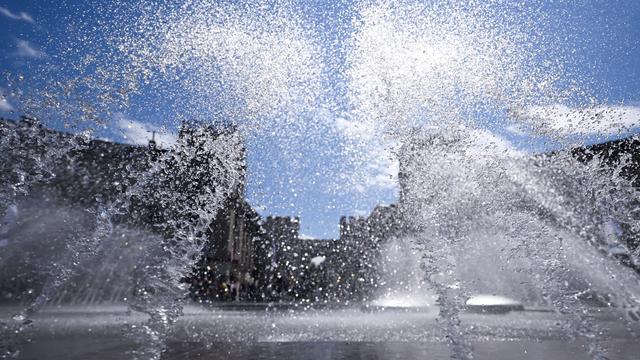
A week after implementing water usage restrictions, residents of Munich have significantly reduced their water consumption. The "Notmaßnahmen" (emergency measures) were put in place to address the ongoing drought and its impact on water levels. The city's authorities have observed a noticeable decrease in the amount of water being used across households and public spaces. This reduction is a direct response to the prohibitions that limit non-essential water use, such as watering gardens or filling swimming pools. Officials are monitoring the situation closely to assess the effectiveness of these measures and determine if further action will be necessary. The current conservation efforts are crucial for managing the city's water resources during this dry period. The success of these voluntary and mandatory reductions highlights the public's willingness to adapt to environmental challenges when presented with clear guidelines. Further updates on water levels and consumption will be provided as the situation evolves.
The observed reduction in water consumption in Munich following the implementation of restrictions reflects a common public response to clear, enforced conservation mandates during periods of scarcity. This event underscores the efficacy of regulatory measures in influencing behavior, particularly when coupled with public awareness campaigns. Looking ahead, the sustainability of such conservation efforts will depend on integrating these practices into long-term water management strategies, potentially leveraging smart water technologies and infrastructure upgrades to optimize resource allocation. The challenge lies in balancing immediate crisis response with building resilient systems capable of adapting to future climatic uncertainties and increasing demand.
AI-generated to prompt reflection — not editorial opinion, not advice, not a statement of fact. How this works.