Munich's Culinary Scene Evolves Beyond Beer and Schnitzel
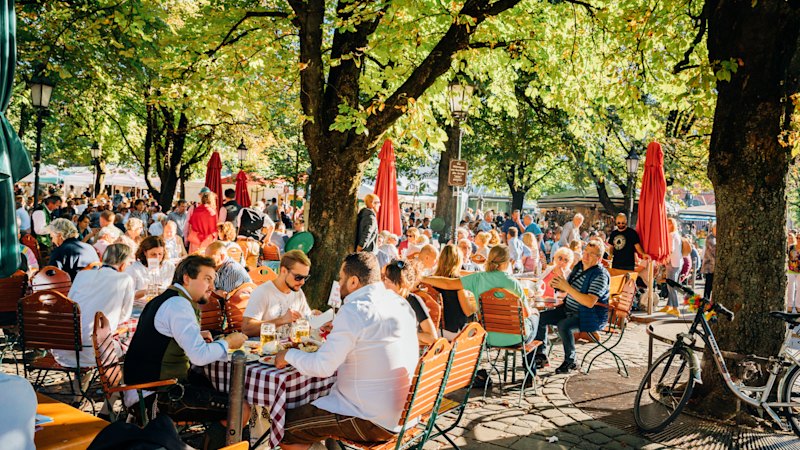
Munich, a city historically known for its beer and schnitzel, is currently experiencing a significant culinary transformation. A self-guided food tour offers an exploration of the Bavarian city's gastronomic landscape, covering its past, present, and future. This evolution suggests a shift in local tastes and a broader embrace of diverse culinary influences alongside traditional offerings. The tour highlights how Munich is moving beyond its established reputation to embrace new food trends and innovations. It provides a comprehensive look at how the city's food culture is adapting and growing. This development indicates a dynamic food scene that is both honoring its heritage and looking forward. The exploration encompasses traditional Bavarian fare as well as contemporary culinary movements shaping the city. Visitors can discover the rich history of Munich's food and beverage traditions. The tour also showcases emerging restaurants and chefs who are redefining the city's palate. Ultimately, it paints a picture of a city undergoing a quiet yet profound culinary revolution.
Munich's evolving culinary scene reflects broader global trends where cities historically defined by specific traditional foods are experiencing diversification. This shift is driven by factors such as increased global connectivity, changing consumer preferences, and the influence of international cuisines. The "quiet revolution" suggests a gradual integration of new food concepts rather than a dramatic upheaval, indicating a potential strategy to balance heritage preservation with modern gastronomic innovation. This approach allows the city to attract a wider range of visitors and residents while maintaining its cultural identity. The long-term implications may include enhanced tourism appeal and a more resilient local food economy, capable of adapting to future market dynamics and consumer demands in the coming decade.
AI-generated to prompt reflection — not editorial opinion, not advice, not a statement of fact. How this works.
