Museum Catavento Opens First Branch Outside São Paulo Capital in Olímpia
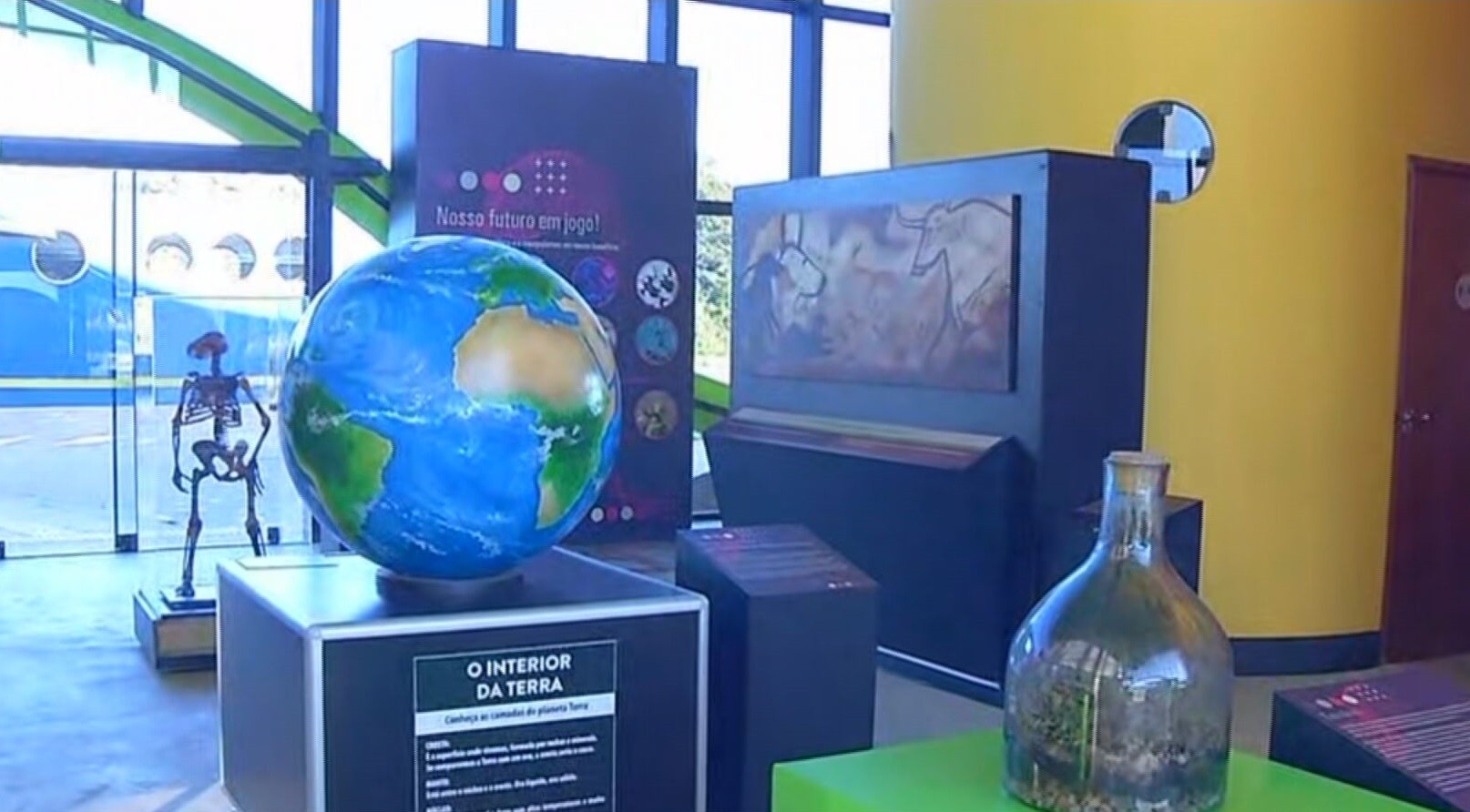
The Museu Catavento, a renowned science museum, has inaugurated its first permanent branch outside of São Paulo city, establishing a new hub in Olímpia, São Paulo state. This expansion aims to democratize scientific knowledge and make interactive learning accessible to communities beyond major urban centers. The new Polo Catavento features over 20 experiments spanning astronomy, physics, biology, geography, and history, alongside educational workshops and immersive technology attractions. Visitors can engage with virtual reality experiences like "Dinos do Brasil," allowing them to explore ancient species that inhabited Brazil, and interact with a Van de Graaff generator to understand electrical repulsion firsthand. Other exhibits include a bicycle that generates energy to power images and a display explaining age differences on other planets based on their orbital periods. The museum also offers exclusive attractions such as "Pista, Engana os Sentidos," which uses altered vision simulations to promote reflection on sustainability, and a virtual reality graffiti workshop called Meta'arte. The initiative is expected to attract approximately two thousand students and nineteen thousand visitors monthly, with free admission for Olímpia residents and public school students. The branch is housed in the Espaço Ruy Othake and operates from Wednesday to Friday, 12 PM to 9 PM, with ticket prices starting at R$25 for tourists. The selection of Olímpia was facilitated by discussions with the State Secretariat of Culture, Economy, and Creative Industries, with the hope that this model will inspire similar expansions in other São Paulo cities.
The establishment of the Museu Catavento's first satellite branch in Olímpia represents a strategic move to broaden cultural and educational access, addressing the disparity in resources often found between metropolitan areas and interior regions. By leveraging interactive exhibits and immersive technologies, the museum aims to foster scientific literacy and curiosity among a wider demographic. This initiative aligns with a growing trend of decentralizing cultural institutions to promote regional development and engagement. The integration of the museum into Olímpia's existing tourism framework, known for its water parks, suggests a synergistic approach to economic and cultural enrichment. Future success will likely depend on sustained public funding, effective community outreach, and the ability to adapt programming to diverse educational needs, potentially serving as a replicable model for other municipalities seeking to enhance their cultural and educational offerings.
AI-generated to prompt reflection — not editorial opinion, not advice, not a statement of fact. How this works.