Museum Fossils Reveal First T. Rex Hatchlings Ever Discovered
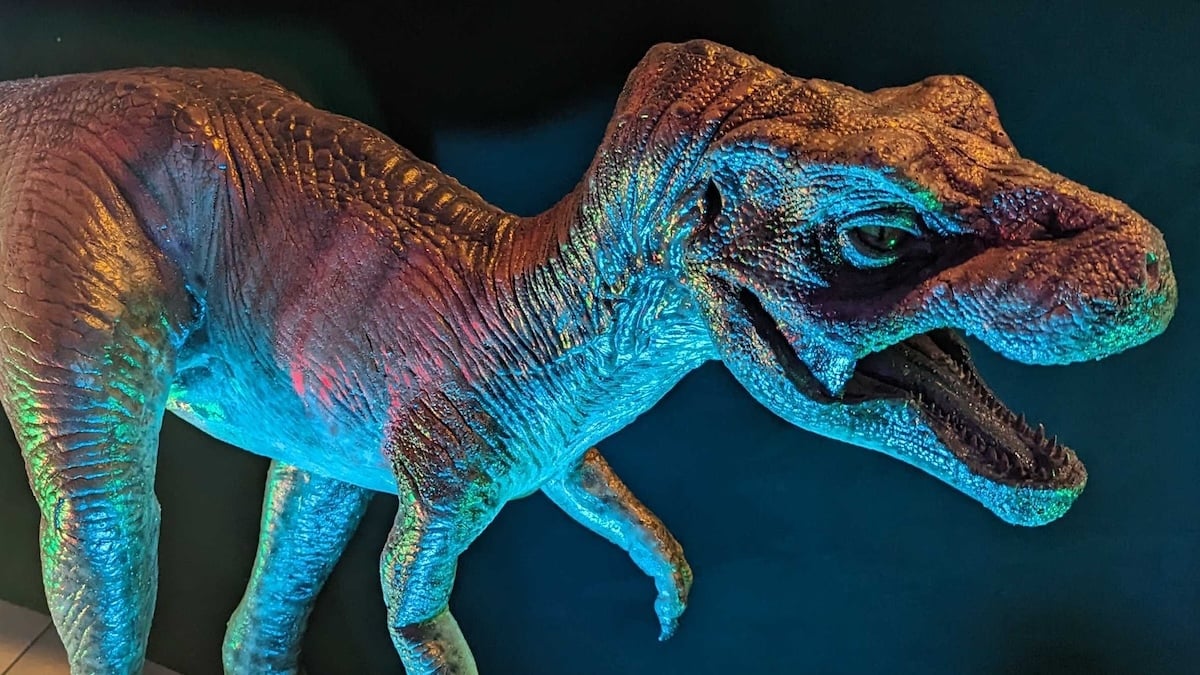
Fossils that had been overlooked in a museum collection have been identified as the first-ever discovered hatchlings of Tyrannosaurus Rex. These remarkably preserved specimens offer a unique glimpse into the earliest stages of life for the iconic dinosaur. The discovery challenges previous assumptions about T. Rex's growth and development, suggesting a potentially different early life strategy than previously understood. Researchers are now meticulously studying these fossils to extract more information about the juvenile T. Rex's anatomy, diet, and behavior. This finding is expected to significantly advance paleontological knowledge regarding the life cycle of one of history's most famous predators. The implications for understanding dinosaur evolution and paleontology are substantial, opening new avenues for research into the Cretaceous period. Further analysis will focus on comparing these hatchlings to older T. Rex specimens to map out their growth trajectory.
The discovery of T. Rex hatchlings underscores the potential for significant paleontological finds within existing museum collections, highlighting the importance of continuous re-examination of archived specimens. This finding prompts a re-evaluation of established models of dinosaur growth and development, suggesting that our understanding of prehistoric life cycles may be incomplete. Future research directions could involve advanced imaging techniques to reveal further details about the hatchlings' physiology and environment, potentially refining theories on T. Rex's reproductive strategies and early survival rates. This event serves as a reminder of the dynamic nature of scientific knowledge, where long-held assumptions can be overturned by new evidence, particularly in fields reliant on fragmented historical data.
AI-generated to prompt reflection — not editorial opinion, not advice, not a statement of fact. How this works.