Museum of the Portuguese Language Offers Free July Vacation Activities for Children
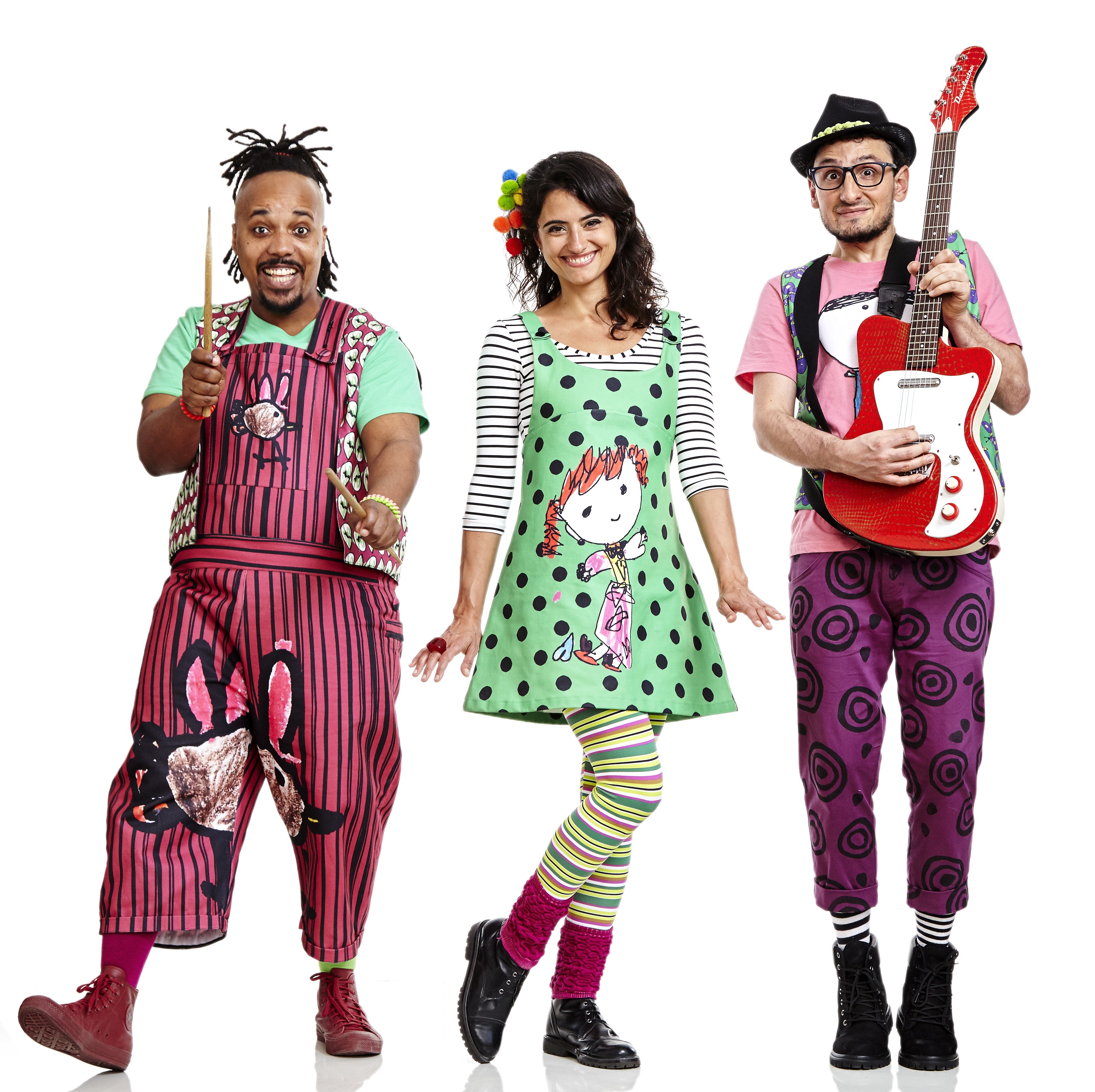
The Museum of the Portuguese Language in São Paulo is hosting a free vacation program called "Estação Férias" for children and families from July 9th to July 19th. Running Tuesday through Sunday, from 10 AM to 5 PM, the museum's Pátio B will feature workshops, games, interactive installations, and creative activities focused on poetry and language exploration. The goal is to stimulate creativity through words via games, books, and artistic interventions. Daily activities include "Chão É Palavra" (The Floor is Word), for ages 4-12, encouraging poetic messages, and "Poema, Pássaro, Peixe" (Poem, Bird, Fish), for ages 8-12, where participants craft small handmade books and poems. Interactive installations like a path with texts from Lusophone countries, poetry cones, word fishing, and a reading corner will also be available. On July 11th, 12th, 18th, and 19th, a collective activity called "Pegar uma palavra com a mão" (Catch a Word with the Hand) will allow participants to create fabric banners with words from the museum's main exhibition. Weekend programming includes free shows and performances. On July 11th at 2 PM, Grupo Triii will perform their children's music show "Miudinho" in the auditorium, requiring a free ticket obtained one hour prior. On July 18th, Pátio B will host the circus show "Girando pelo Fio do Tempo" by Nutar at 11 AM and singer Cris Barulins' show "Planeta Peteca" at 2 PM, featuring Brazilian popular culture-inspired music. All activities are free and open to the public, with no prior registration needed, except for the Grupo Triii show.
This initiative by the Museum of the Portuguese Language leverages cultural programming to engage young audiences during school holidays, promoting literacy and creativity. By offering free, interactive experiences, the museum aims to broaden accessibility and foster a connection with the Portuguese language and its literary heritage. The program's design, incorporating diverse activities from hands-on workshops to performances, caters to various age groups and learning styles. Such public-facing cultural events are crucial for educational outreach, especially in urban centers, and can contribute to long-term civic engagement with arts and culture. The model demonstrates how cultural institutions can adapt to community needs, particularly during periods when families seek enriching, affordable entertainment.
AI-generated to prompt reflection — not editorial opinion, not advice, not a statement of fact. How this works.