Museums' Hidden Treasures: Art and Artifacts in Storage
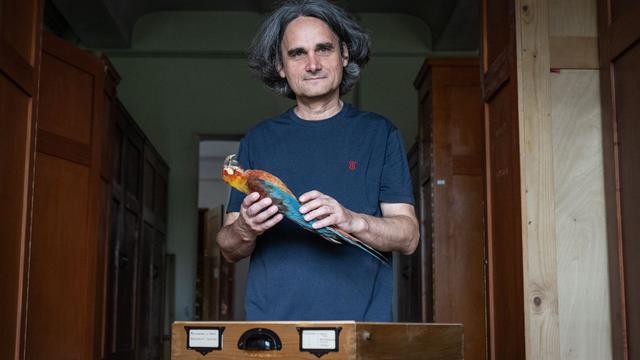
Museums across Germany house vast collections of art and artifacts that are rarely seen by the public, often stored away in depots. These hidden treasures range from significant artworks to unique historical objects, such as a Cuban Macaw specimen. The vastness of these collections means that only a small fraction can be put on display at any given time. Many items are preserved for research purposes or await future exhibition opportunities.
These stored collections represent a significant cultural heritage, but their inaccessibility raises questions about public engagement and resource allocation. While museums strive to preserve these items for posterity, the challenge lies in balancing conservation efforts with the desire to share these cultural assets with a wider audience. The sheer volume of stored items highlights the ongoing need for adequate space, funding, and innovative exhibition strategies to bring more of these hidden treasures to light.
The vastness of museum storage depots underscores a fundamental tension between preservation and public access. While the primary mandate of museums is to safeguard cultural heritage, the significant portion of collections remaining unseen raises questions about the optimal utilization of these resources. Future-oriented strategies might involve enhanced digitization efforts, collaborative exhibitions between institutions, or exploring new models for temporary public display to maximize the educational and cultural impact of these hidden assets, thereby addressing the inherent contradiction between conservation needs and the public's right to access cultural heritage.
AI-generated to prompt reflection — not editorial opinion, not advice, not a statement of fact. How this works.