Musical Training Enhances Surgical Skills in Medical Students, HKU Study Finds
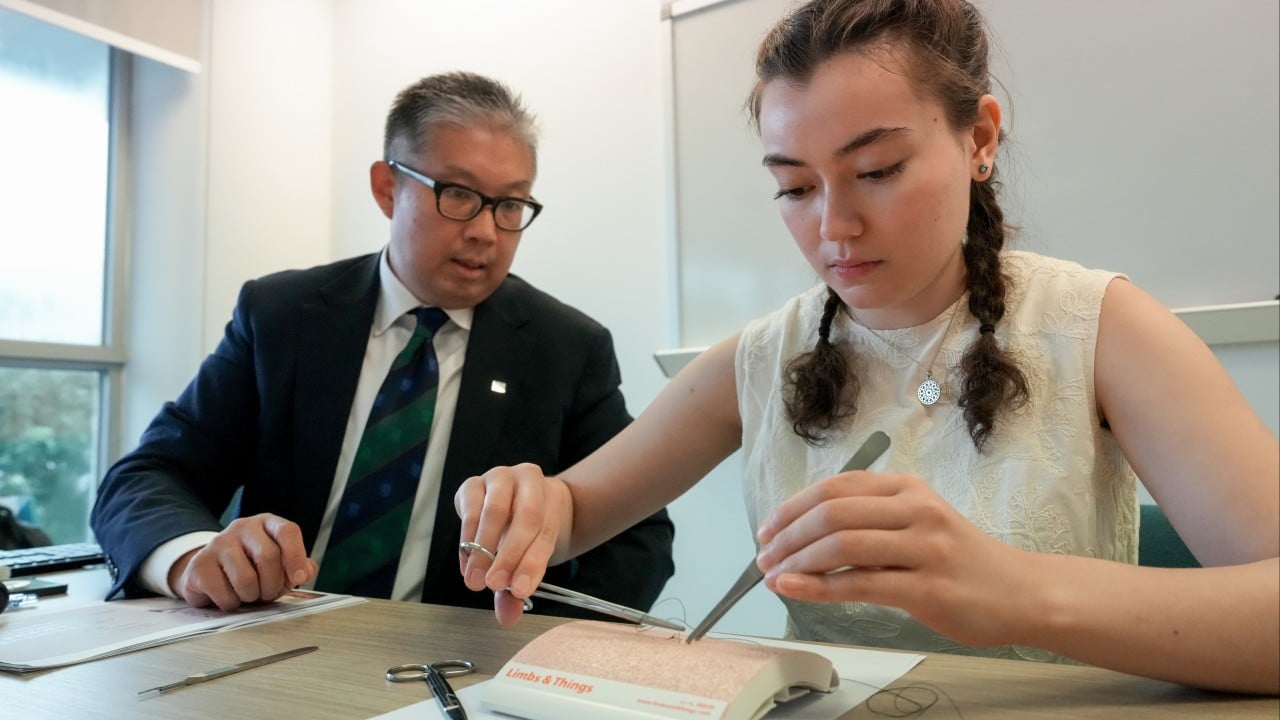
A new study from the University of Hong Kong (HKU) suggests that playing a musical instrument can significantly improve the surgical performance of medical students. The research indicates that students with musical backgrounds completed surgical tasks approximately 10% faster and with greater skill compared to their non-musical peers. Specifically, those who had musical experience finished surgical tasks in an average of 223.5 seconds. In contrast, students without musical training took an average of 249.3 seconds, making them nearly 26 seconds slower. The study highlights the potential benefits of integrating musical training into medical education to foster enhanced dexterity and efficiency in future surgeons. Sien Gurr, a sixth-year medical student at HKU, exemplifies this, having begun her violin studies at the age of four, likely contributing to her refined motor skills.
This study from the University of Hong Kong posits a correlation between musical instrument proficiency and improved surgical task performance among medical students. The findings suggest that the fine motor control, hand-eye coordination, and focused attention cultivated through musical practice may translate to enhanced dexterity and efficiency in surgical settings. From a systems perspective, this research could inform pedagogical approaches within medical education, potentially advocating for the inclusion of arts-based training to complement traditional scientific curricula. Evaluating the long-term implications and generalizability of these findings across diverse surgical specialties and student populations will be crucial for understanding the full impact of such cross-disciplinary skill development in the evolving landscape of healthcare.
AI-generated to prompt reflection — not editorial opinion, not advice, not a statement of fact. How this works.