Musk's Optimus Robot: Human Training and Early Stumbles
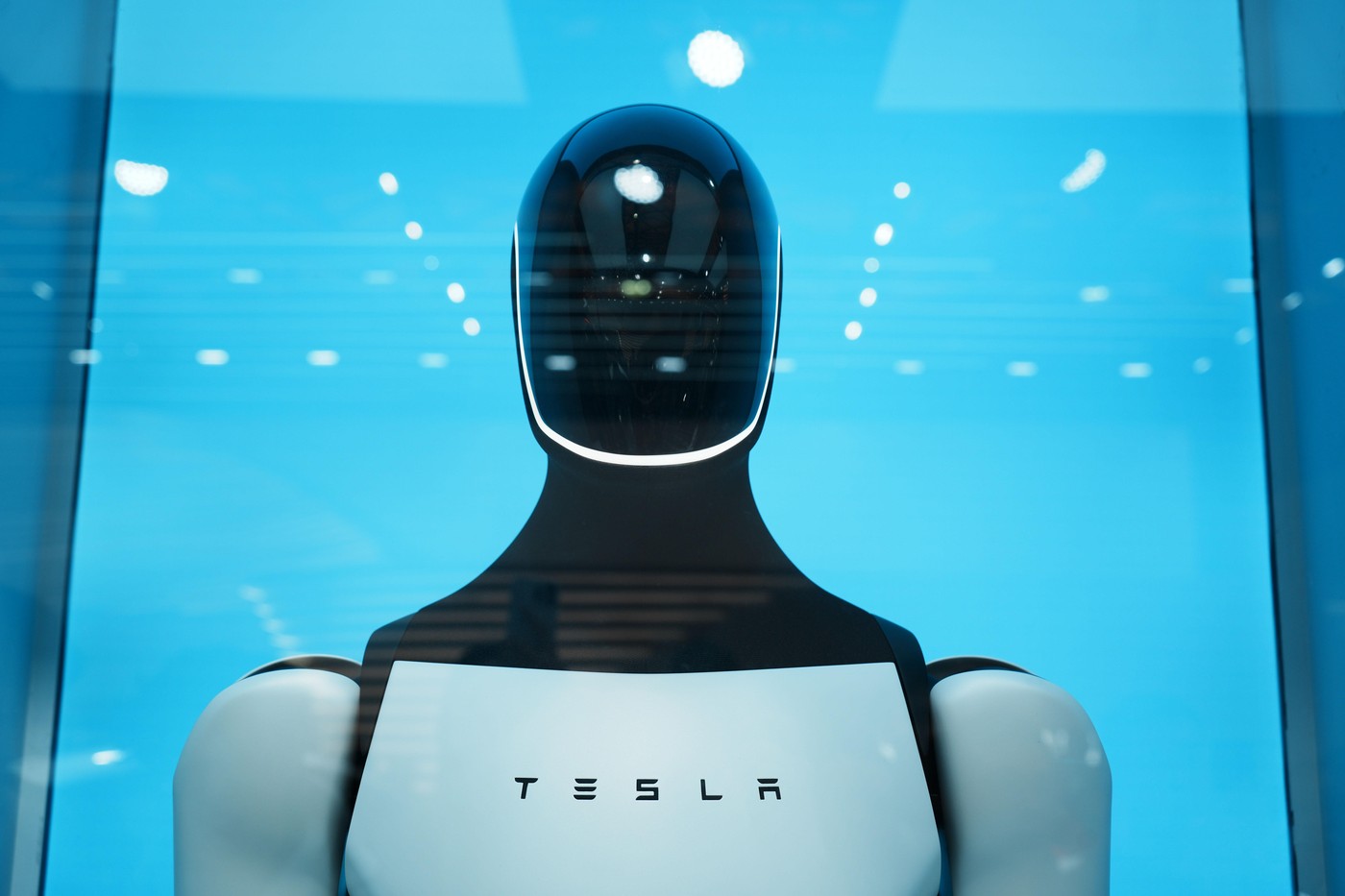
Tesla's ambitious humanoid robot project, Optimus, initially envisioned by Elon Musk five years ago to perform any manual task and make physical labor optional, has faced significant developmental challenges. Early demonstrations featured a person in a rudimentary robot suit, as no functional prototype existed. Subsequent versions of Optimus required remote operation by Tesla employees. During one demonstration, a robot failed to distribute water bottles correctly and subsequently fell over. This reality falls far short of Musk's initial grand vision for the android's capabilities.
The development trajectory of Tesla's Optimus robot highlights the inherent complexities in translating ambitious AI and robotics visions into functional reality. The reliance on human remote operation and early public failures underscore the significant gap between theoretical potential and practical implementation, particularly in replicating nuanced human motor skills. As AI development accelerates, the challenge for companies like Tesla will be to bridge this gap efficiently, moving beyond impressive demonstrations to robust, reliable performance. The long-term success of such humanoid robots will likely depend on advancements in real-world adaptability, sophisticated sensor fusion, and robust AI training methodologies that can overcome the unpredictable nature of physical environments.
AI-generated to prompt reflection — not editorial opinion, not advice, not a statement of fact. How this works.