Musokotwane criticizes Mundubile's economic remarks
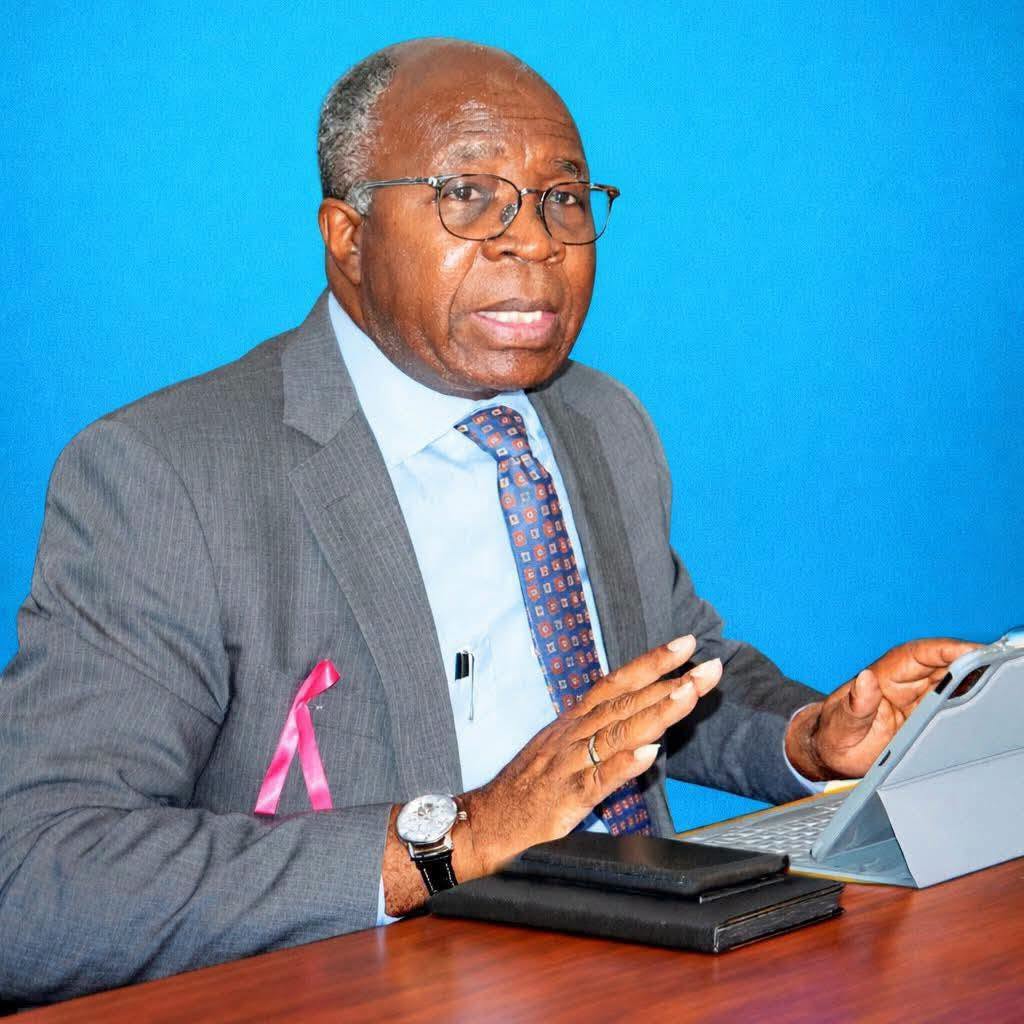
Former Finance and National Planning Minister Dr. Situmbeko Musokotwane has stated that opposition leader Brian Mundubile's recent comments regarding Zambia's foreign exchange reserves and inflation indicate a deficiency in understanding fundamental economic principles. Dr. Musokotwane's response was prompted by statements made by Mundubile at a rally held in Nyimba District on Wednesday. During the rally, Mundubile had raised questions concerning the country's economic situation. Dr. Musokotwane, a prominent figure in Zambian economics, asserted that Mundubile's observations revealed a misunderstanding of how these economic indicators function. The former minister emphasized the importance of accurate economic knowledge for public discourse, especially from political leaders. He suggested that such misinterpretations could lead to misguided public perception of the nation's financial health. The exchange highlights ongoing political debates surrounding Zambia's economic management and policy.
This exchange between Dr. Musokotwane and Mr. Mundubile underscores a common dynamic in political discourse where economic policy becomes a point of contention. Dr. Musokotwane's critique frames Mr. Mundubile's remarks as demonstrating a lack of economic literacy, suggesting that differing interpretations of reserve levels and inflation can stem from varying analytical frameworks or the strategic use of economic data for political messaging. The differing perspectives may reflect underlying disagreements on fiscal and monetary policy approaches. Understanding these divergent viewpoints is crucial for assessing the robustness of economic governance and the quality of public debate, particularly as Zambia navigates its economic recovery and development trajectory over the next decade. The situation prompts consideration of how economic education and transparent data communication can foster more informed public engagement with complex financial matters.
AI-generated to prompt reflection — not editorial opinion, not advice, not a statement of fact. How this works.