Mustard Oil vs. Sunflower Oil: Which Cooking Oil is Better?
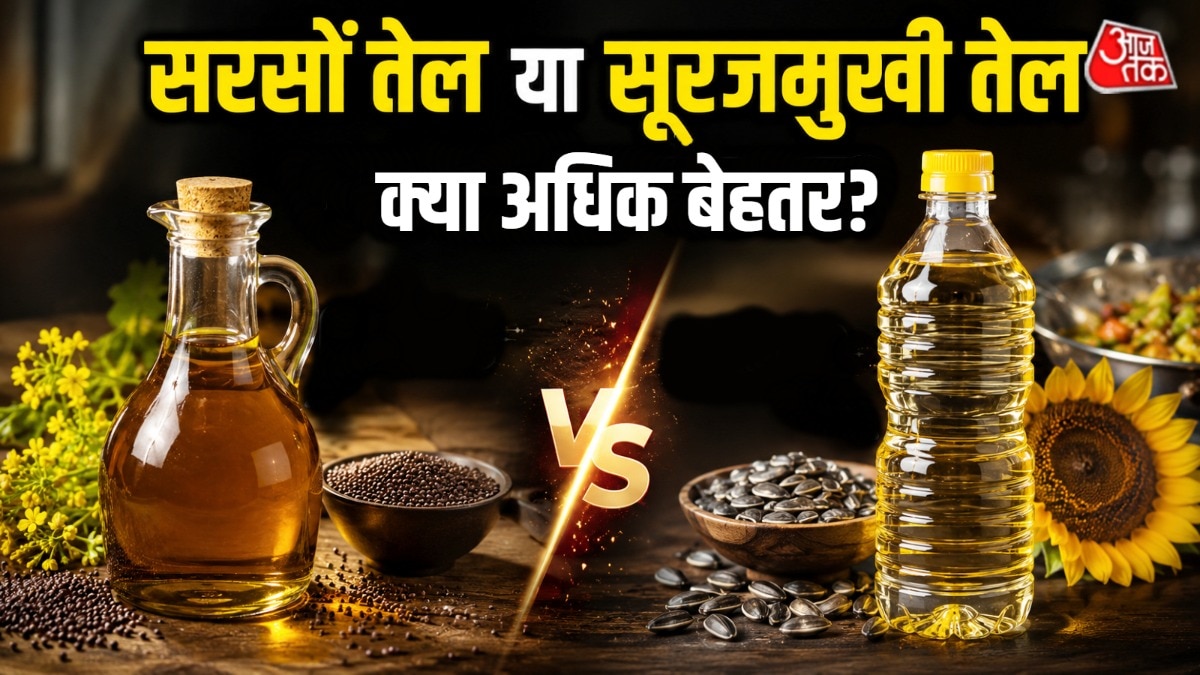
A comparison between mustard oil and refined sunflower oil aims to determine which is best for daily cooking, considering factors like inflammation, thermal stability, and omega balance. The analysis will delve into the specific properties of each oil to guide consumers in making an informed choice for their culinary needs. Understanding these attributes is crucial for maintaining a healthy diet and optimizing the nutritional profile of cooked meals. The evaluation will highlight potential health benefits and drawbacks associated with each oil's composition and behavior under heat. This comparison is intended to provide clarity on the optimal use of these common cooking oils.
Evaluating cooking oils involves assessing their nutritional profiles and thermal stability, which impact health outcomes and cooking performance. Mustard oil, rich in monounsaturated and polyunsaturated fats, offers a distinct fatty acid composition compared to sunflower oil, which is typically high in linoleic acid. The choice between them may depend on individual dietary goals and cooking methods. Consumers should consider the smoke point and potential for oxidation when selecting an oil for high-heat applications. Understanding the balance of omega-3 and omega-6 fatty acids is also important for managing inflammation. This comparative analysis can empower consumers to make choices aligned with long-term health and culinary preferences.
AI-generated to prompt reflection — not editorial opinion, not advice, not a statement of fact. How this works.