Mutual Mistrust and Israeli Elections: Early Hurdles for Hamas Disarmament Deal
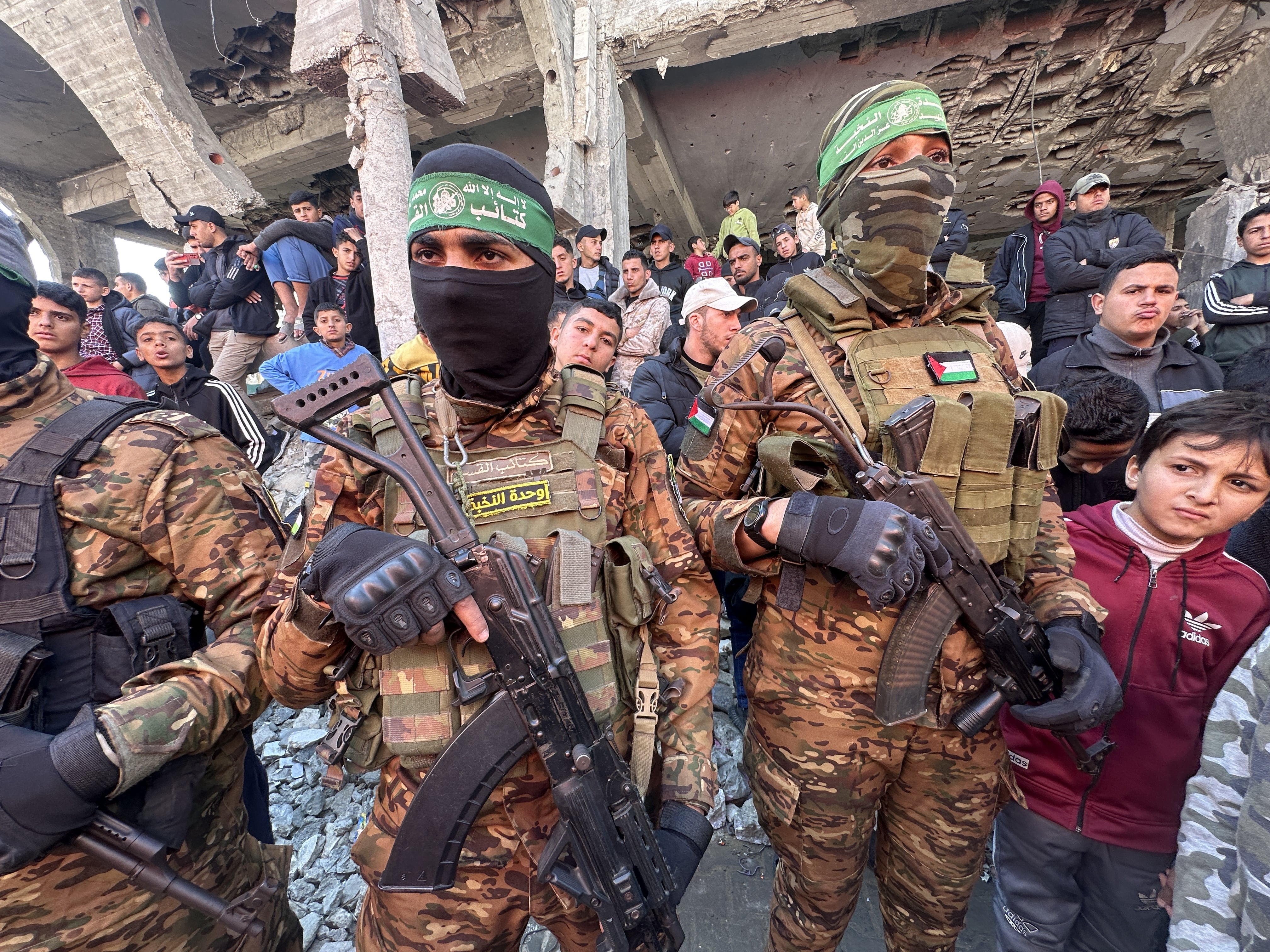
Analysts believe that a proposed deal to disarm Hamas faces significant obstacles, with the ball now in the court of Prime Minister Netanyahu's government. The agreement risks derailing if parallel progress is not made by both parties involved. A key challenge highlighted is the deep-seated mutual mistrust between the involved entities. This distrust is expected to complicate negotiations and the implementation of any disarmament plan. Furthermore, upcoming elections in Israel are identified as a potential destabilizing factor. The political climate surrounding an election could lead to shifts in government priorities or public pressure that impact the delicate balance required for the deal's success. The success of the agreement hinges on overcoming these initial hurdles, particularly the need for concurrent advancements from all sides.
The proposed Hamas disarmament agreement faces inherent challenges rooted in the complex geopolitical landscape of the region. The critical juncture lies in the Israeli government's capacity to navigate domestic political pressures, potentially exacerbated by upcoming elections, while simultaneously addressing the deep-seated mistrust with Hamas. This situation presents a classic governance dilemma: balancing immediate security objectives with the long-term stability required for a lasting resolution. The effectiveness of such a deal will likely depend on establishing robust verification mechanisms and fostering a degree of reciprocal confidence, however minimal, to prevent the agreement from collapsing under its own weight. Future success may hinge on innovative diplomatic frameworks that can operate effectively despite persistent adversarial relationships and volatile political cycles.
AI-generated to prompt reflection — not editorial opinion, not advice, not a statement of fact. How this works.