My Cat Antonio's Nocturnal Antics Disrupt My Sleep and Dreams
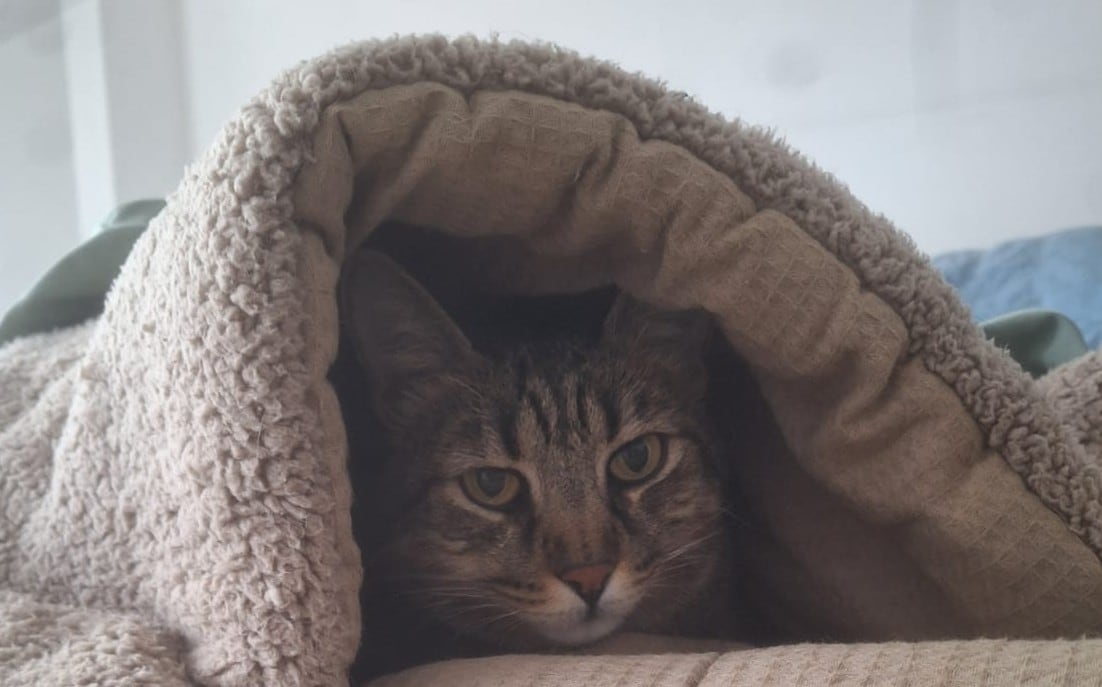
The author describes a complex relationship with their eight-year-old cat, Antonio, who exhibits classic feline aloofness but earns affection through hard-won moments of connection. Antonio, a gray tabby, is described as distrustful of strangers and protective of his personal space, making his occasional displays of affection feel like a significant achievement for his owners. However, Antonio has recently begun waking his owners in the middle of the night. He scratches at their bedroom door demanding more food, even when his bowl is nearly full. Attempts to block the door with pillows and supplement his diet with tuna have failed to deter his nocturnal activity. This disruption has left the author in a state of sleep deprivation, feeling zombie-like and struggling with daily tasks. The author notes the irony of finding Antonio sleeping peacefully during the day, sometimes covering his face with a paw, while he is the cause of their own sleepless nights. Antonio's behavior is attributed by specialists to a "crepuscular instinct," a remnant of his African wildcat ancestors who hunted at dawn and dusk. Despite efforts to engage Antonio with toys, he shows little interest, preferring to observe with disdain. The author finds it difficult to fall back asleep after Antonio's nighttime disturbances, as their mind begins to race with worries and anxieties, from personal financial concerns to national disappointments. They express a desire to simply dream, free from these intrusive thoughts, and plead with Antonio to allow them this peace.
This narrative explores the tension between human desire for rest and an animal's innate biological rhythms, framed within the context of a pet owner's emotional investment. The cat's behavior, while disruptive, is presented as an instinctual drive rather than a deliberate act of malice. The owner's internal monologue highlights how external disruptions can trigger anxieties and complex thought patterns, impacting mental well-being. From a systems perspective, this illustrates a common interspecies cohabitation challenge where domestic environments may not fully accommodate ancestral instincts. The owner's struggle to reconcile their affection for the pet with their need for personal well-being underscores the psychological trade-offs in human-animal companionship. Future considerations for pet owners might involve designing living spaces and routines that better align with a pet's natural activity cycles, potentially mitigating such conflicts and fostering a more harmonious coexistence.
AI-generated to prompt reflection — not editorial opinion, not advice, not a statement of fact. How this works.