My First Boss: A Complex Portrait of Ambition and Self-Discovery
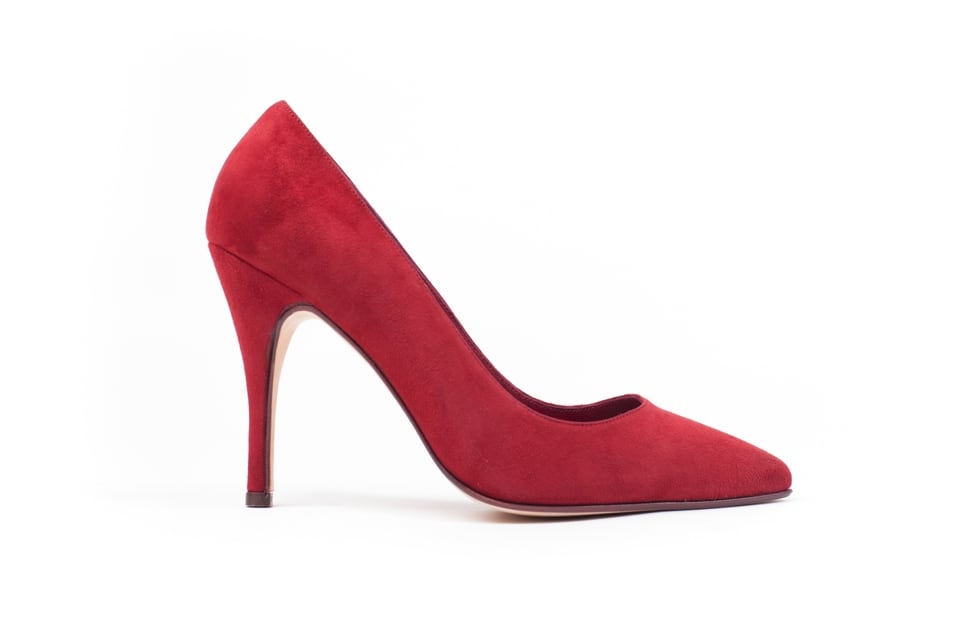
The author recounts meeting her first boss, a 29-year-old woman, in the summer of 2003 at a company in Buenos Aires' microcentro. The boss, described with meticulous detail from her short brown hair and red lipstick to her high heels and tight pencil skirt, commanded attention. As the owner's secretary, she managed various office tasks, including negotiating with suppliers and delegating orders to employees, including the then 19-year-old author. The boss, who called the author 'Chipi,' maintained a formal distance, demanding respect and adherence to protocols like knocking before entering her office. She spoke multiple languages and often expressed disdain, believing that one should dress for the position they aspire to, not the one they hold. Despite her outward confidence and claims of instruction, the author observed that the boss lacked true authority but fiercely clung to constructing it. She projected an image of ambition and self-possession, often sharing aspects of her life with the author, including solo vacations, travel stories, and her interest in films, music, and books. The boss also encouraged the author to explore her own self-image and desires, contrasting with the author's more conventional youthful experiences. She was involved in a tumultuous relationship but also dated others, driven by a desire not to settle. The boss's personal history was hinted at through mentions of a deceased friend, prompting the author to reflect on mortality. She was characterized by constant change in opinions and moods, a stark contrast to the author's youthful belief in permanence. The boss embraced new experiences, from sports to pole dancing, which she performed sensually in a show for which she invited the author. After working together for less than three years, the author moved to a different company, and the boss expressed happiness for her career progression. The narrative concludes by reiterating the initial encounter, emphasizing the profound impact this complex woman had on the author's formative years.
This personal narrative offers a nuanced portrayal of a formative professional relationship, highlighting themes of ambition, self-construction, and the influence of mentorship, even when flawed. The boss's meticulous attention to presentation and her assertive demeanor can be viewed as strategies for navigating workplace power dynamics and compensating for perceived limitations in authority, reflecting broader societal pressures on women to project strength and competence. Her encouragement of the author's self-exploration, juxtaposed with her own complex personal life and drive, illustrates the often-contradictory nature of personal growth and the search for identity. The narrative implicitly raises questions about the sustainability of such intense self-fashioning and the potential for internal conflict when external projection diverges from internal reality. In the context of evolving workplace expectations and the increasing emphasis on authentic leadership, the boss's methods offer a historical perspective on professional aspiration, prompting reflection on how individuals cultivate influence and self-worth in different eras.
AI-generated to prompt reflection — not editorial opinion, not advice, not a statement of fact. How this works.