Myanmar Flooding Devastates Jade Hub, Affecting 5,000
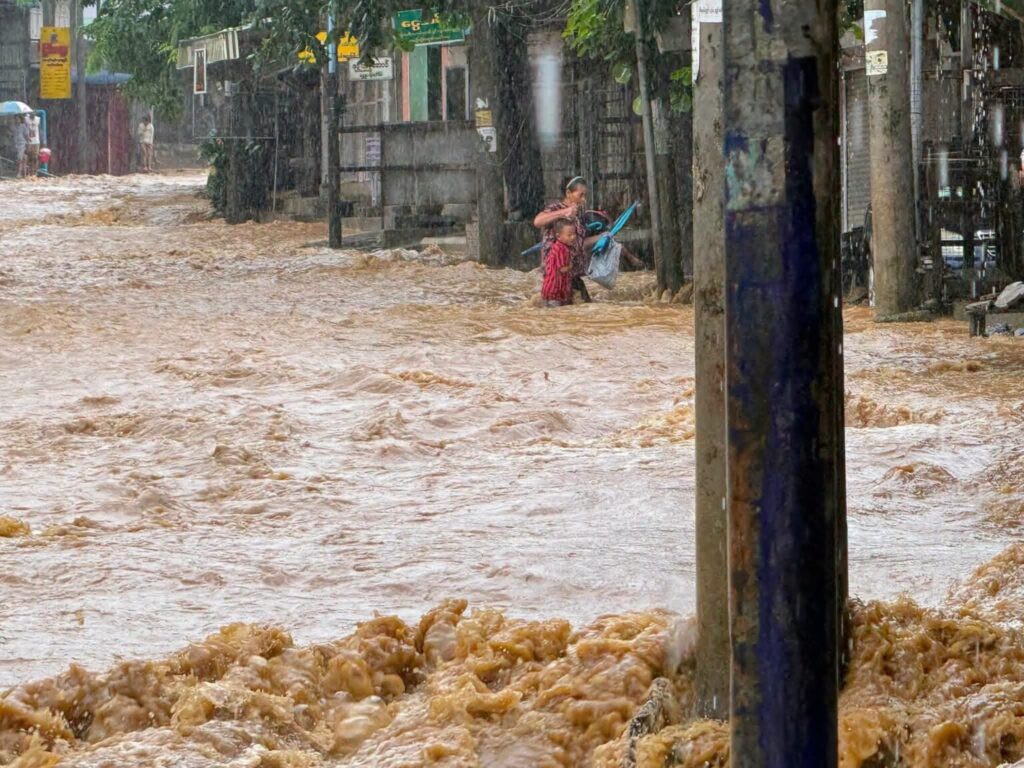
Severe flooding has struck Hpakant, Myanmar's primary jade-mining region, resulting in the tragic death of a toddler and impacting approximately 5,000 individuals. Residents describe the current rainy season's flooding as the most severe they have experienced in recent memory. Hpakant is historically susceptible to inundation during the monsoon period, but the scale of this year's disaster has prompted significant concern. The event highlights the ongoing vulnerability of communities in the region to natural disasters, exacerbated by the area's intensive mining activities. Efforts to assess the full extent of the damage and provide aid to those affected are underway. The situation underscores the need for improved disaster preparedness and infrastructure in flood-prone areas like Hpakant. The long-term implications for the mining industry and local livelihoods are yet to be determined.
The recurring flooding in Hpakant, a critical hub for Myanmar's jade industry, underscores a persistent challenge at the intersection of resource extraction and environmental vulnerability. While natural weather patterns contribute, the intensity and impact of such events may be amplified by land-use practices associated with extensive mining operations, potentially altering natural drainage and increasing susceptibility to inundation. This recurring crisis poses significant risks to local populations and infrastructure, necessitating a review of land management policies and disaster mitigation strategies. Future resilience will likely depend on integrating sustainable resource management with robust, community-focused adaptation planning, balancing economic imperatives with ecological and human safety considerations.
AI-generated to prompt reflection — not editorial opinion, not advice, not a statement of fact. How this works.