Myanmar Junta Airstrikes Injure Rohingya, Kill POWs Near Bangladesh Border
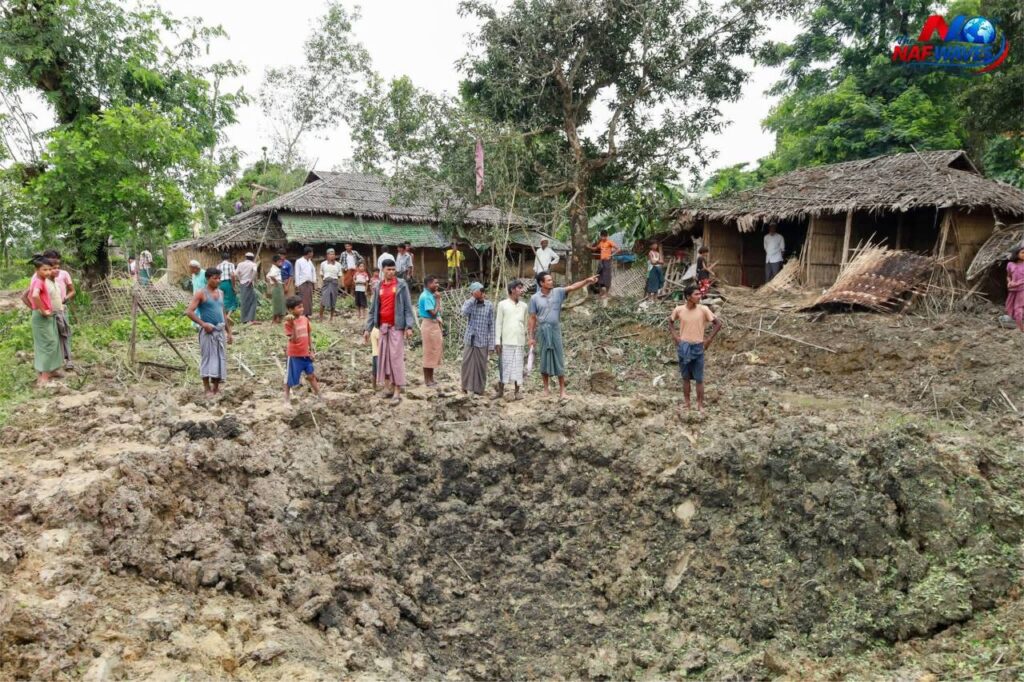
Late last week, Myanmar junta airstrikes targeted areas controlled by the Arakan Army in northern Rakhine State, close to the Bangladesh border. These attacks resulted in injuries to Rohingya civilians and the deaths of prisoners of war. The specific details regarding the number of injured Rohingya civilians and the exact number of prisoners of war killed have not been fully disclosed. The Arakan Army, an ethnic armed organization, is currently in control of these northern Rakhine State territories. The airstrikes represent a significant escalation of conflict in the region, raising concerns about the safety of civilians and the conduct of military operations by the Myanmar junta. This incident underscores the ongoing humanitarian crisis and the volatile security situation in Rakhine State, which has been a focal point of ethnic conflict and displacement for years. The proximity of the attacks to the Bangladesh border also highlights potential cross-border implications and regional stability concerns.
The Myanmar junta's airstrikes near the Bangladesh border, resulting in civilian injuries and the deaths of prisoners of war, highlight a concerning pattern of military action in ethnic conflict zones. Such actions, particularly when occurring in areas controlled by ethnic armed organizations like the Arakan Army, raise questions about adherence to international humanitarian law and the strategic objectives driving these attacks. The targeting of civilian populations and prisoners of war, if confirmed, would indicate a disregard for established norms of warfare. From a systemic perspective, these events reflect the ongoing instability within Myanmar's governance structures and the persistent challenges in achieving a peaceful resolution to long-standing ethnic grievances. The long-term implications could include further displacement, increased regional tensions, and a deepening humanitarian crisis, potentially impacting neighboring countries and international aid efforts.
AI-generated to prompt reflection — not editorial opinion, not advice, not a statement of fact. How this works.