Myanmar Junta Denies National Policy on School Bans Amid Local Security Concerns
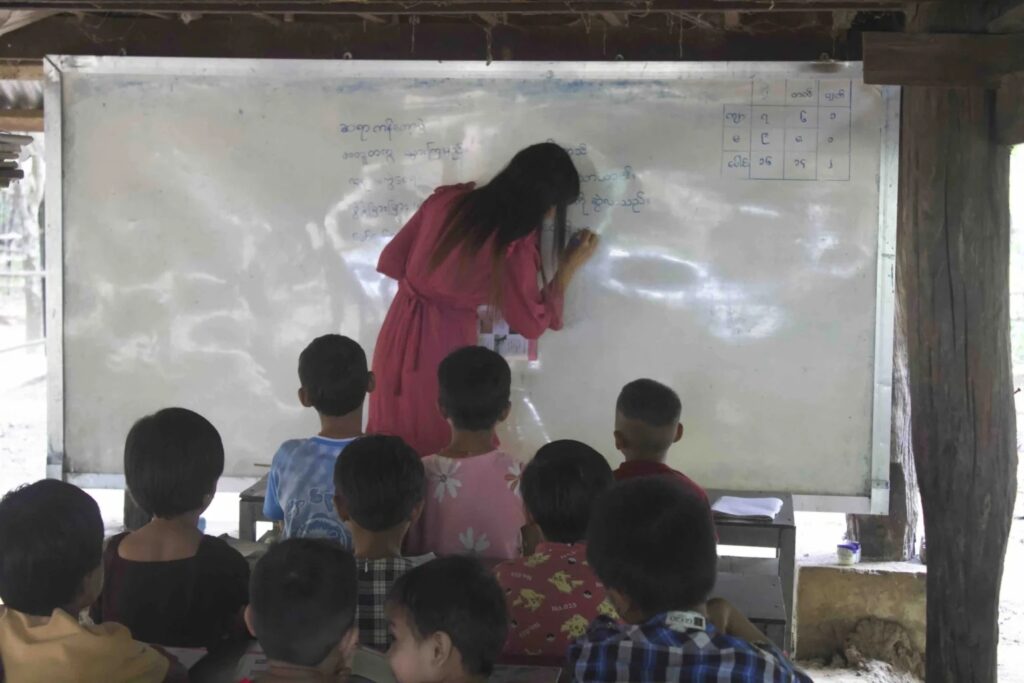
Myanmar's National Unity Government (NUG) has stated that a ban on parents sending children to schools in junta-controlled towns is not a national policy. The NUG attributes this controversial move to local resistance authorities citing specific security concerns. This action has reportedly sparked significant controversy among the public. The NUG's clarification aims to distance the central resistance government from the localized decision. The situation highlights the complex and often decentralized nature of resistance operations within Myanmar. It also underscores the challenges faced by civilians attempting to access education amidst the ongoing conflict. The exact nature of the security concerns has not been fully detailed. However, such measures can have profound impacts on children's access to education and family well-being.
The NUG's clarification suggests a potential divergence between central resistance policy and localized operational decisions. This highlights the challenges of maintaining unified messaging and control across fragmented resistance networks. The emphasis on "local security concerns" may serve to justify actions that could otherwise be perceived as detrimental to civilian access to education, a critical component of societal stability and future development. This situation underscores the complex trade-offs resistance groups face in balancing security imperatives with the long-term goal of winning popular support and rebuilding the nation. The NUG's communication strategy here aims to mitigate potential backlash while acknowledging localized security needs, a delicate balancing act in a protracted conflict.
AI-generated to prompt reflection — not editorial opinion, not advice, not a statement of fact. How this works.
