Myanmar Junta's ICRC Meeting: Strategic Ploy for International Acceptance
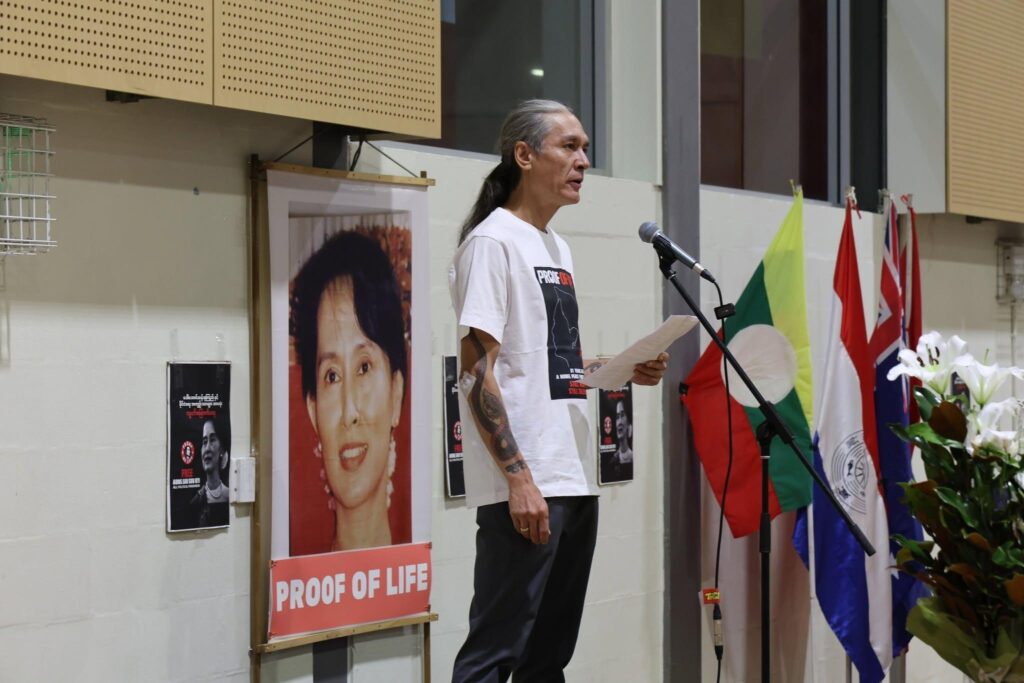
Myanmar's ruling junta has reportedly arranged a meeting between detained former leader Aung San Suu Kyi and the International Committee of the Red Cross (ICRC). However, this move is being characterized by observers not as a genuine sign of softening by the regime, but rather as a strategic, cost-free maneuver. The objective appears to be to garner increased international acceptance and legitimacy without making any substantive concessions. This tactic aims to present an image of engagement while maintaining the junta's firm grip on power. Critics argue that such gestures are designed to placate international pressure and potentially ease sanctions. The junta's approach seems focused on managing its global perception rather than addressing the underlying political crisis. The meeting, therefore, is viewed as a calculated public relations effort rather than an indicator of any significant policy shift.
The Myanmar junta's engagement with the ICRC, involving Aung San Suu Kyi, can be analyzed through the lens of statecraft and international relations. Such actions often serve to manage external perceptions and potentially influence geopolitical dynamics. By facilitating a meeting with a respected humanitarian organization, the regime may be seeking to project an image of compliance and openness, thereby creating leverage in diplomatic negotiations or in efforts to mitigate international sanctions. This strategy highlights the tension between domestic governance realities and the imperative for international legitimacy. The long-term effectiveness of this approach will likely depend on whether it is perceived as a genuine step towards de-escalation or merely a tactical maneuver, and how the international community calibrates its response to such symbolic gestures versus substantive policy changes.
AI-generated to prompt reflection — not editorial opinion, not advice, not a statement of fact. How this works.
