Mykhailo Drapatyi Appointed New Commander-in-Chief of Ukraine's Armed Forces
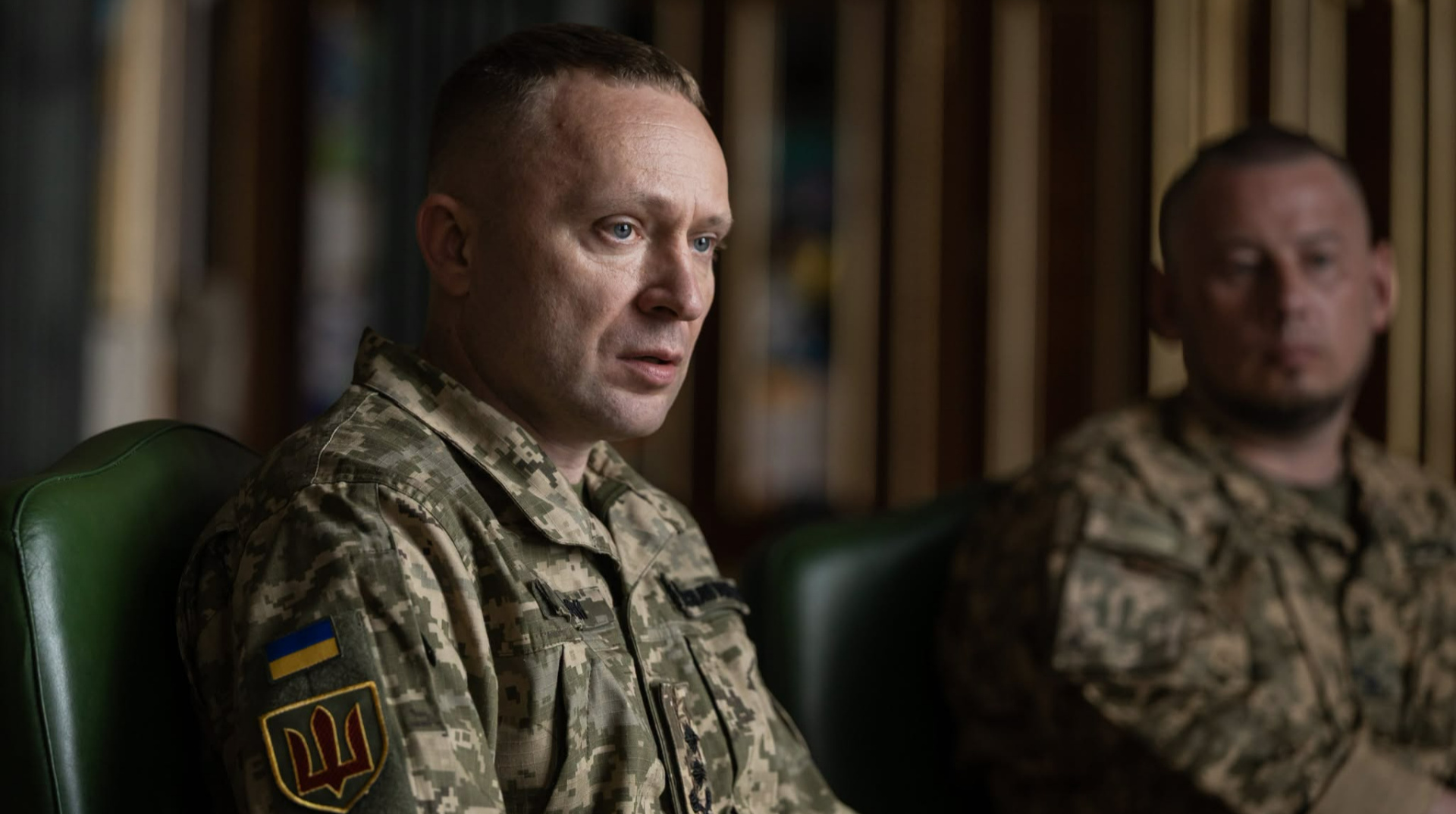
Following six days of deliberation, Ukrainian President Volodymyr Zelenskyy has announced the dismissal of Oleksandr Syrskyi as the Commander-in-Chief of the Armed Forces of Ukraine. Zelenskyy has appointed Mykhailo Drapatyi to succeed Syrskyi in this pivotal military role. The change in leadership comes after a period of significant military developments and strategic assessments within Ukraine. Syrskyi's tenure as Commander-in-Chief involved navigating complex battlefield conditions and overseeing the armed forces' operational strategies. Drapatyi's appointment signals a new phase for the Ukrainian military command. His background and experience are expected to shape the future direction of the armed forces. The specific reasons for Syrskyi's dismissal and the details of Drapatyi's mandate were not elaborated upon in the announcement. This leadership transition is a significant event for Ukraine's defense establishment during an ongoing conflict. The public announcement was made by President Zelenskyy himself, emphasizing the gravity of the decision.
The change in Ukraine's top military leadership, from Oleksandr Syrskyi to Mykhailo Drapatyi, reflects a dynamic response to evolving battlefield demands and strategic imperatives. Such personnel shifts are common in prolonged conflicts, often driven by the need to inject fresh perspectives or adapt command structures to new operational realities. The timing, following a period of presidential deliberation, suggests a thorough evaluation of leadership effectiveness and strategic alignment. The long-term implications will depend on Drapatyi's ability to integrate his vision with the existing military apparatus and address the complex logistical, tactical, and morale challenges inherent in sustained defense operations. This transition underscores the critical role of adaptable leadership in national security and the continuous assessment required to maintain military readiness.
AI-generated to prompt reflection — not editorial opinion, not advice, not a statement of fact. How this works.