Mysterious Black Fungus Thrives on Radiation at Chernobyl Nuclear Power Plant
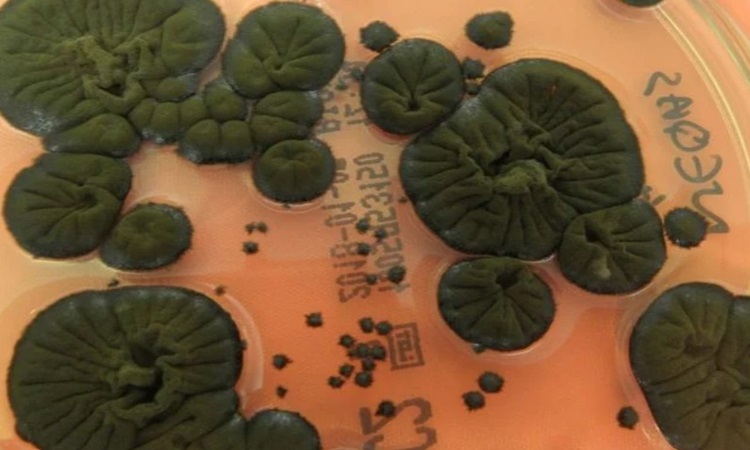
A peculiar black fungus has been discovered growing on the walls near a damaged reactor at the Chernobyl Nuclear Power Plant. This unusual organism appears to be flourishing in an environment characterized by high levels of radioactivity. The fungus's ability to thrive under such extreme conditions has sparked scientific curiosity. Researchers are investigating the biological mechanisms that allow this fungus to utilize radiation. This discovery could potentially lead to new insights into radiotrophic fungi, which are known to convert radiation into chemical energy. The presence of this fungus raises questions about its potential role in the Chernobyl ecosystem and its unique adaptations. Further studies are planned to understand its composition and behavior in the highly radioactive zone.
The discovery of a black fungus thriving on high radiation levels at Chernobyl presents an intriguing case of biological adaptation. This phenomenon warrants objective investigation into the fungus's radiotrophic capabilities, exploring how it metabolizes ionizing radiation. Understanding these mechanisms could offer novel perspectives on bioremediation or radiation shielding technologies. It also highlights the resilience and adaptability of life, even in environments previously considered uninhabitable. Future research should focus on the ecological implications and potential applications of this organism, devoid of sensationalism, to advance scientific understanding.
AI-generated to prompt reflection — not editorial opinion, not advice, not a statement of fact. How this works.