Mysterious Parasite Sparks Diarrhea Outbreak Across 17 US States
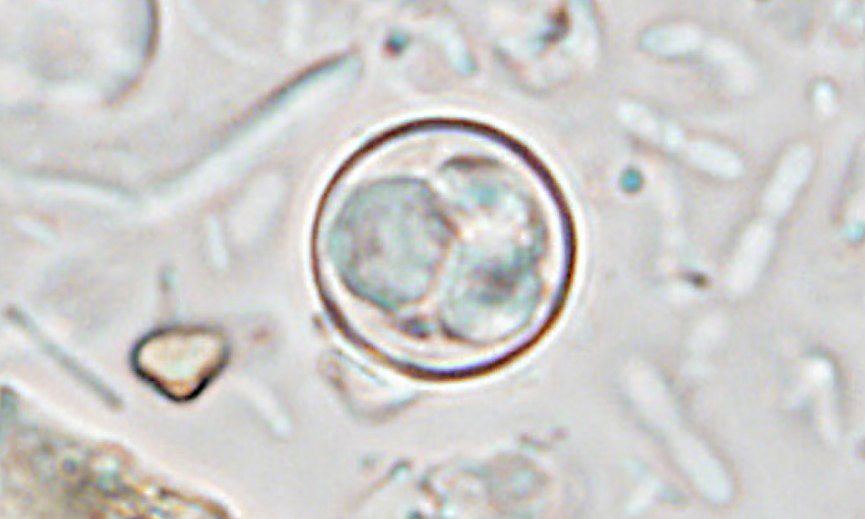
Federal health officials in the United States are actively investigating the source of a microscopic parasite responsible for a prolonged intestinal illness. The outbreak has affected hundreds of individuals across 17 different states. The parasite, identified as Cyclospora cayetanensis, is known to cause gastrointestinal distress that can last for weeks or even months if left untreated. Symptoms typically include diarrhea, loss of appetite, weight loss, stomach cramps, bloating, gas, nausea, and fatigue. Some individuals may also experience vomiting. Health authorities are working to pinpoint the exact origin of the contamination, which could be linked to contaminated food or water sources. The Centers for Disease Control and Prevention (CDC) is monitoring the situation closely and providing guidance to state and local health departments. They are also advising the public on preventive measures to avoid infection. The investigation is ongoing, and officials are urging anyone experiencing persistent gastrointestinal symptoms to seek medical attention.
The emergence of a Cyclospora outbreak across multiple US states highlights the persistent challenges in foodborne and waterborne disease surveillance and control. The microscopic nature of the parasite and its potential for prolonged illness underscore the need for robust public health infrastructure capable of rapid detection and tracing of contamination sources. This event prompts consideration of supply chain vulnerabilities and the efficacy of current regulatory oversight in preventing such widespread outbreaks. Looking ahead, advancements in diagnostic technologies and data analytics could significantly improve the speed and accuracy of identifying and mitigating future public health threats, ensuring greater resilience in the face of emerging infectious diseases.
AI-generated to prompt reflection — not editorial opinion, not advice, not a statement of fact. How this works.