Mysterious Underwater Lightning: Polynesian Navigators' Phenomenon Puzzles Scientists
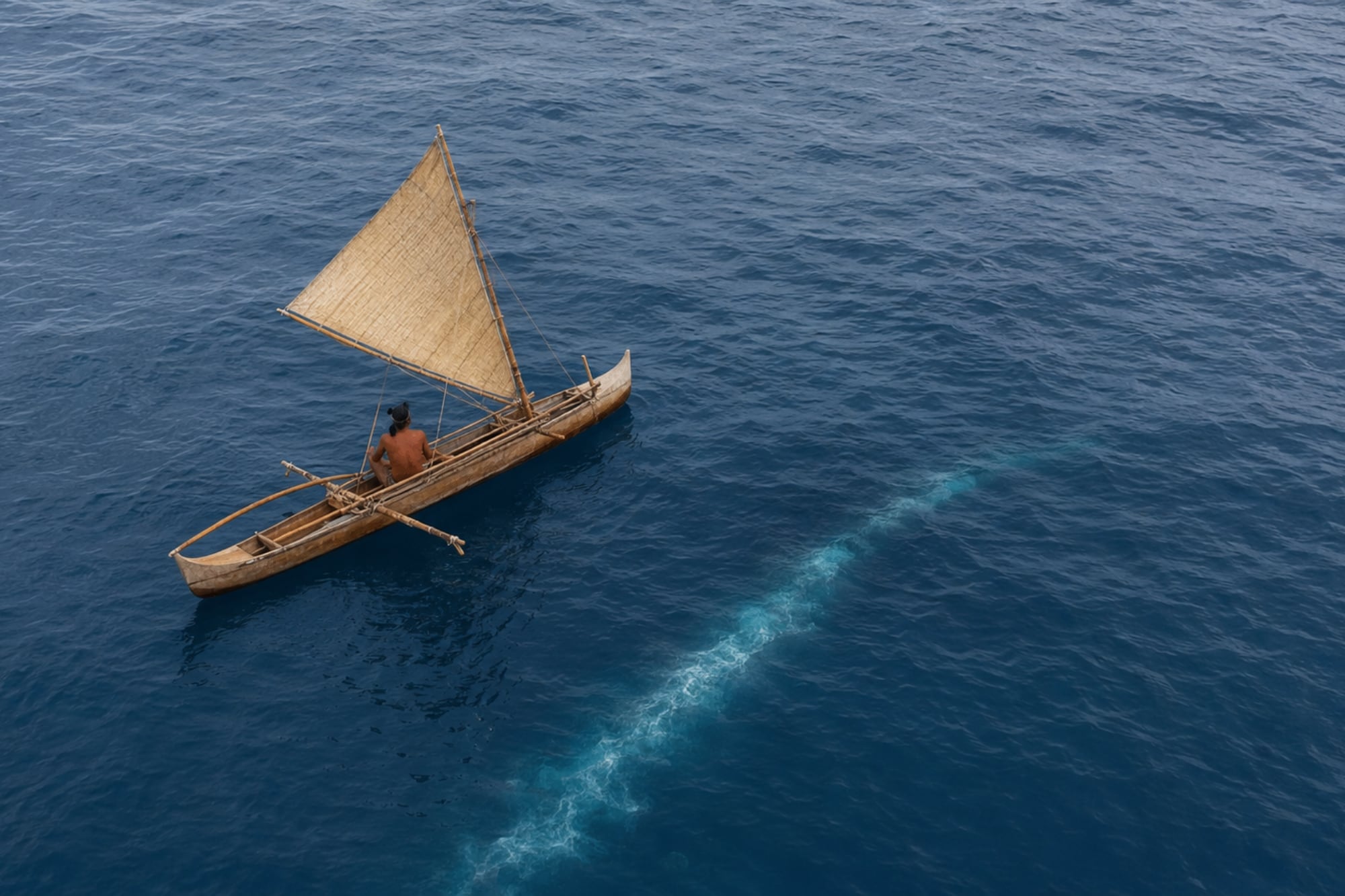
Polynesian navigators historically relied on a phenomenon known as 'te lapa,' or underwater lightning, to guide their voyages across vast oceanic distances. This mysterious light, observed beneath the sea's surface, served as a crucial navigational aid for these ancient mariners. Despite its importance in Polynesian culture and seafaring traditions, the scientific community is still working to fully understand the exact nature and causes of te lapa. Researchers are actively investigating this intriguing natural occurrence, seeking to unravel the scientific principles behind the underwater flashes. The phenomenon highlights the sophisticated knowledge and observational skills of Polynesian navigators, who developed complex methods for traversing the Pacific Ocean long before modern technology existed. Understanding te lapa could offer new insights into marine bioluminescence, geological activity, or other underwater processes.
The historical reliance of Polynesian navigators on 'te lapa' underscores the sophisticated understanding of natural phenomena developed by ancient cultures. While modern science seeks empirical explanations for such observations, it's crucial to acknowledge the practical efficacy of these methods for survival and exploration. Future research into te lapa could illuminate previously uncatalogued marine or geological processes, potentially offering new perspectives on oceanography and the distribution of marine life. This phenomenon also serves as a reminder of the vast knowledge held within indigenous traditions, knowledge that may hold keys to understanding environmental dynamics in ways not yet fully captured by contemporary scientific frameworks. The challenge lies in bridging traditional ecological knowledge with modern scientific inquiry to foster a more holistic understanding of our planet.
AI-generated to prompt reflection — not editorial opinion, not advice, not a statement of fact. How this works.