Mystery of Ancient Chinese Bell Discovery Solved
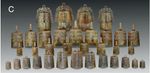
Archaeologists have solved the mystery surrounding the discovery of resonant objects found in a 2600-year-old ruler's tomb in China. Previously considered mere artworks, these ancient bells were revealed through analyses of the tomb to have served a more profound purpose. They acted as intermediaries, facilitating communication between the living and their ancestors. This finding sheds new light on the sophisticated ritualistic practices of ancient Chinese rulers. The objects' tonal qualities were integral to their ceremonial functions. Their presence in a ruler's burial underscores their significant spiritual and social importance. The research highlights a deeper understanding of the relationship between music, ritual, and ancestor veneration in ancient Chinese society. The findings contribute to our knowledge of early Chinese civilization and its complex belief systems.
The analysis of ancient Chinese bells reveals a sophisticated understanding of acoustics and ritualistic practice, suggesting these objects were more than decorative artifacts. Their role as intermediaries between the living and ancestors points to a complex belief system where sound played a crucial part in spiritual communication. This practice highlights how early societies integrated technology and belief to navigate social and existential concerns. Understanding these historical uses of sound technology can offer insights into the evolution of human communication and the enduring human need for connection with the past, potentially informing contemporary approaches to heritage and cultural preservation.
AI-generated to prompt reflection — not editorial opinion, not advice, not a statement of fact. How this works.