Mystery Painting Attributed to Velázquez Surfaces in Noirmoutier, France
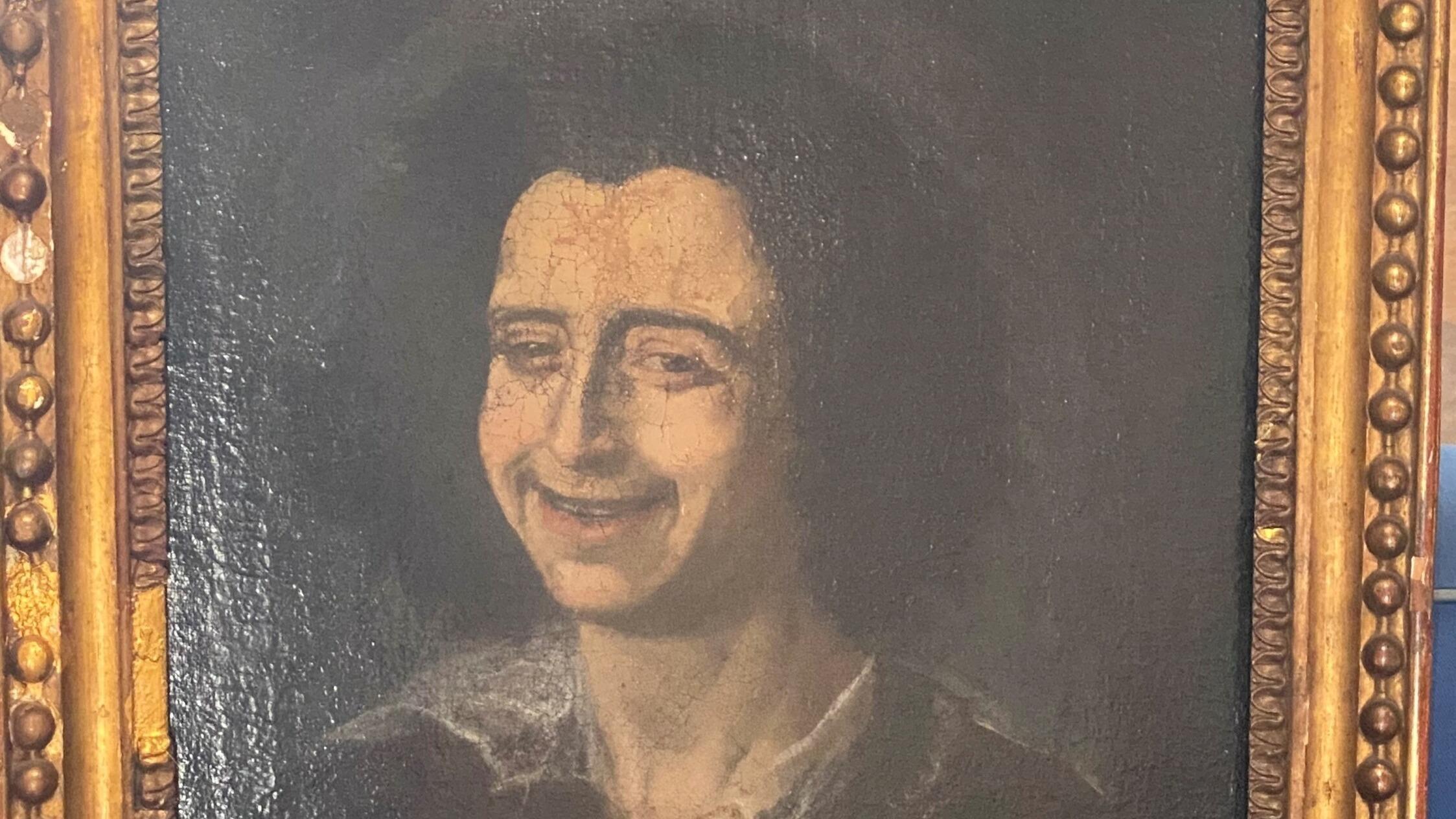
A painting titled "Laughing Young Man," believed by some to be a work by the renowned Spanish Golden Age painter Diego Velázquez, has emerged in Noirmoutier, France. The portrait belongs to a family from Versailles who are seeking to sell it, potentially as a significant art find. The artwork's attribution to Velázquez, however, is subject to debate, raising questions about its authenticity and true value. Experts are examining the piece to determine if it is a genuine masterpiece or a clever forgery. This intriguing situation highlights the complexities of art authentication and the potential for both immense value and significant disappointment in the art market. The outcome of the investigation will determine whether this "Laughing Young Man" is a genuine treasure from the Spanish Golden Age or merely an imitation.
The emergence of a painting attributed to Velázquez presents a classic art market dilemma: distinguishing genuine masterpieces from sophisticated forgeries. The financial incentives for a family to authenticate and sell such a work are substantial, potentially driving a narrative of discovery. However, rigorous art historical and scientific analysis is crucial to avoid misattribution and protect the integrity of the art historical record. The case underscores the importance of provenance, expert consensus, and scientific dating in validating high-value artworks, particularly as market dynamics increasingly intersect with historical scholarship.
AI-generated to prompt reflection — not editorial opinion, not advice, not a statement of fact. How this works.