Mystery Surrounds Viking Lander's Robotic Arm 50 Years Later
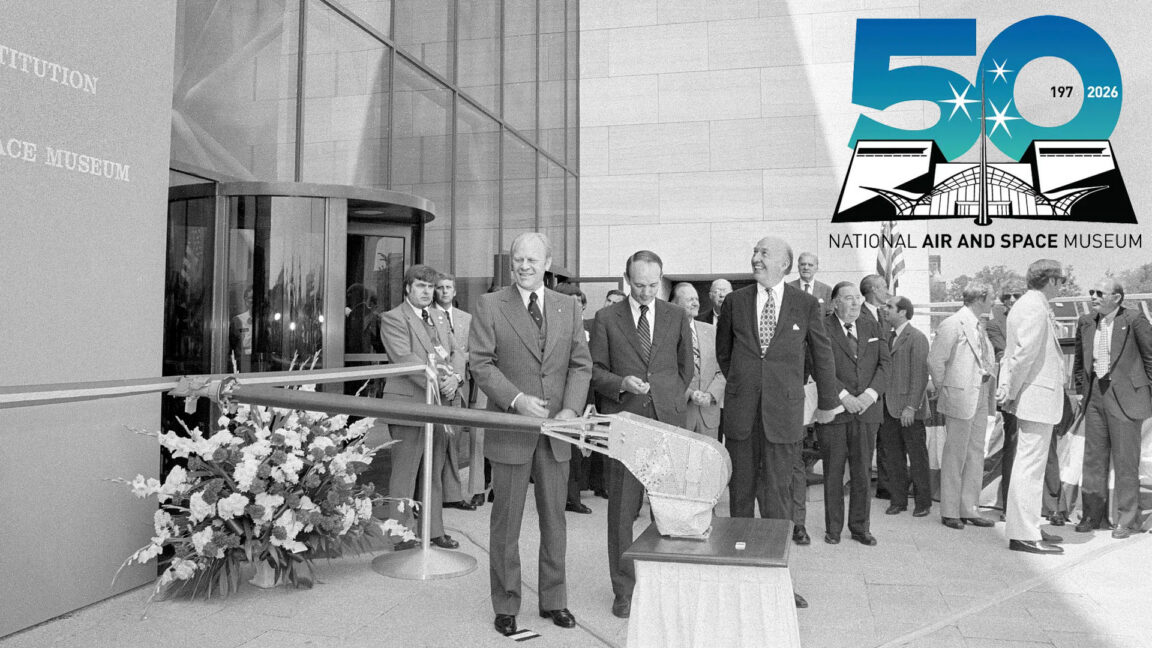
Fifty years after the Viking missions, a lingering mystery surrounds the fate of the robotic arm used by the Viking landers. These pioneering spacecraft, launched by NASA, were designed to explore Mars and search for signs of life. The robotic arm was a crucial instrument, capable of scooping soil samples for onboard analysis. Its deployment and operation were key to the mission's scientific objectives. However, details regarding the arm's final status and what exactly happened to it after its operational life are not widely publicized. This historical curiosity highlights the challenges and unknowns that can persist even with well-documented space missions. The Viking program, consisting of two orbiters and two landers, provided invaluable data about the Martian environment. The mission's legacy is significant, but this specific detail about the arm remains a point of intrigue for space historians and enthusiasts. Further clarification on the arm's disposition could offer a more complete picture of the mission's end-of-life procedures.
The enduring mystery of the Viking arm's fate, 50 years on, underscores the long-term archival and public communication challenges inherent in complex, multi-decade space exploration programs. While scientific data is meticulously preserved, the physical disposition of hardware, especially for missions concluded decades ago, can become obscured. This situation presents an opportunity to reflect on institutional memory and the importance of comprehensive end-of-mission documentation for future historical and technical reference. Ensuring such details are accessible can enhance public understanding and provide valuable lessons for ongoing and future interplanetary endeavors, particularly as technology advances and mission lifespans extend.
AI-generated to prompt reflection — not editorial opinion, not advice, not a statement of fact. How this works.