Nabil Bank Embraces AI Era, Transforming Nepal's Banking Landscape
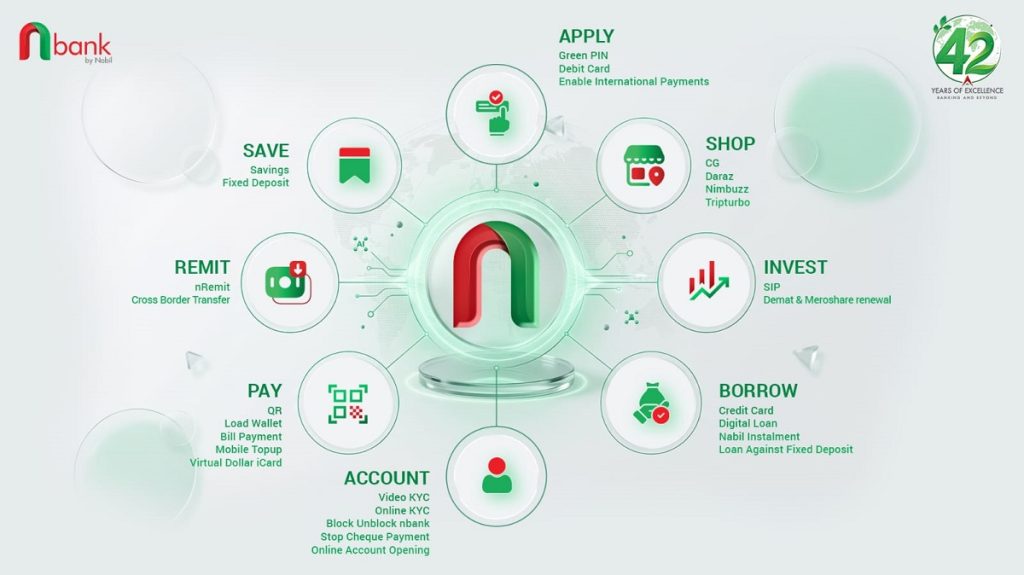
Nabil Bank is undergoing a significant transformation, driven by the adoption of Artificial Intelligence (AI) technologies, marking a new era for Nepali banking. Previously, obtaining a bank loan was a lengthy and arduous process, often requiring multiple visits to bank branches and extensive paperwork. Customers would spend weeks completing forms, submitting identification, and undergoing rigorous verification of their details. This traditional approach, characterized by its slow pace and bureaucratic hurdles, is now being replaced by more efficient, AI-powered systems. The bank's shift signifies a move towards digital-first services, aiming to streamline operations and improve customer experience. This modernization is expected to set a new standard for banking services across Nepal, making financial processes more accessible and faster for the general public. The integration of AI is poised to redefine customer interactions, loan processing, and overall service delivery within the financial sector.
The integration of AI into traditional banking systems like Nabil Bank represents a significant shift, moving away from legacy processes that were often slow and cumbersome for customers. This technological adoption is driven by the global trend towards digitalization and the pursuit of operational efficiencies. By leveraging AI, Nabil Bank aims to reduce processing times, enhance customer service, and potentially expand access to financial products. However, this transition also presents challenges, including the need for robust cybersecurity measures, ethical considerations in AI deployment, and ensuring digital literacy among its customer base. The long-term success will depend on balancing technological advancement with inclusive access and regulatory compliance in the evolving financial landscape.
AI-generated to prompt reflection — not editorial opinion, not advice, not a statement of fact. How this works.