Nairobi's Underground LGBTQ+ Church
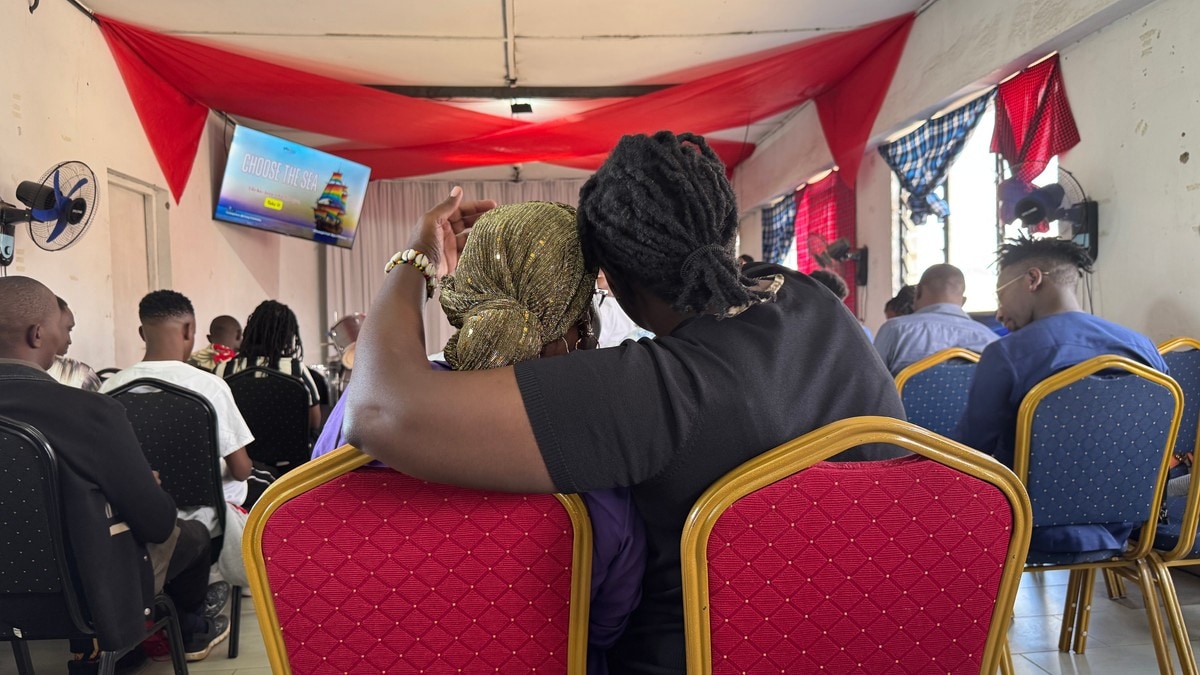
Despite homosexuality being illegal in Kenya, a vibrant underground LGBTQ+ community exists in Nairobi. Norwegian Broadcasting Corporation (NRK) visited a clandestine church catering to this community in the capital city. The church operates in secret, providing a safe space for individuals who face societal stigma and legal repercussions for their sexual orientation. This hidden sanctuary offers spiritual support and a sense of belonging to its members, who must navigate a challenging environment. The existence of such a church highlights the resilience of the LGBTQ+ community in Kenya and their efforts to find spaces for worship and fellowship despite legal restrictions. NRK's report sheds light on the hidden lives and struggles of LGBTQ+ individuals in Nairobi.
The existence of an underground LGBTQ+ church in Nairobi, operating despite legal prohibitions against homosexuality in Kenya, illustrates a significant tension between state law and community self-organization. This situation reflects broader global dynamics where marginalized groups create alternative social and spiritual structures to foster solidarity and support when mainstream institutions are inaccessible or hostile. From a systems perspective, the prohibition of certain identities or behaviors often drives them into less visible, unregulated spaces, potentially increasing risks for participants while simultaneously demonstrating profound human needs for community and spiritual expression. Looking ahead, the persistence of such underground movements may signal evolving societal norms and could influence future legal and social policy debates concerning LGBTQ+ rights and inclusion.
AI-generated to prompt reflection — not editorial opinion, not advice, not a statement of fact. How this works.