Namibia Debates Fishing Limits in Protected Coastal Zone
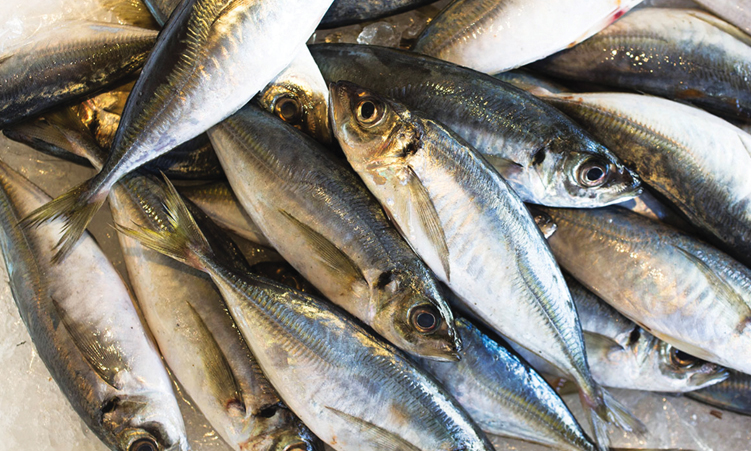
The Namibian Youth Chamber of Environment recently held a public webinar to discuss the government's decision to permit horse mackerel fishing within a significant coastal area. This zone had previously been protected under a 200-meter depth limit. Conservation experts Carolin Mutorwa of the Namibia Nature Foundation and Chris Brown from the Namibian Chamber of Environment participated in the discussion, alongside youth advocate Diina Shatipamba. The webinar aimed to raise public awareness and foster dialogue around the implications of this policy change. The decision to open this area to fishing raises concerns among environmental advocates about the potential impact on marine ecosystems. The discussion highlighted the tension between economic interests in fishing and the imperative for marine conservation. Further details on the specific risks and benefits were explored during the event.
The Namibian government's decision to open previously protected waters for horse mackerel fishing presents a classic conflict between resource utilization and environmental stewardship. This policy shift may be driven by economic pressures or perceived opportunities for revenue generation and employment. However, the opening of these zones risks disrupting established marine ecosystems and potentially undermining long-term biodiversity. Future policy decisions will need to carefully balance short-term economic gains against the enduring ecological and economic value of healthy marine environments. The long-term sustainability of both the fishing industry and the marine environment depends on robust, evidence-based management and transparent decision-making processes that account for ecological carrying capacities and potential cascading effects.
AI-generated to prompt reflection — not editorial opinion, not advice, not a statement of fact. How this works.