Namibia Generates $68.4 Million from Fish Quota Auctions
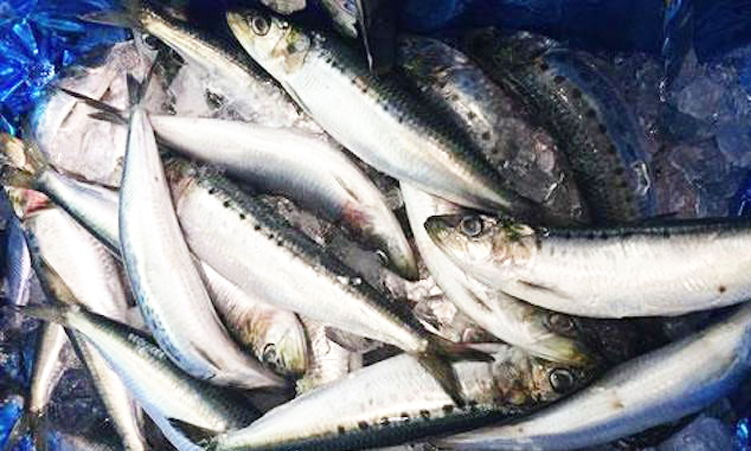
The Namibian government has successfully raised N$68.4 million through the auction of fishing quotas for horse mackerel and hake. The Ministry of Finance disclosed the results of these auctions, which were conducted by the Ministry of Agriculture, Fisheries, Water and Land Reform on May 22. This initiative represents a significant revenue generation strategy for the state, leveraging its marine resources. The auctions specifically targeted quotas for two commercially important fish species, indicating a focused approach to resource management and economic benefit. The funds raised are expected to contribute to national development and the operational budget of relevant ministries. This move underscores the government's efforts to maximize economic returns from its natural assets. The transparency in announcing the results by the Ministry of Finance suggests a commitment to accountability in the management of public resources.
The auctioning of fishing quotas demonstrates a market-based mechanism for resource allocation and revenue generation. This approach can incentivize efficient harvesting practices by granting access to those willing to pay a premium, potentially leading to more sustainable management if quotas are set appropriately. However, the long-term impact hinges on the governance framework overseeing quota allocation and enforcement, ensuring that revenue maximization does not compromise ecological balance or equitable access for local stakeholders. Future considerations should include the potential for corruption, the impact on fish stock sustainability, and the broader economic benefits beyond direct revenue, such as job creation in processing and distribution.
AI-generated to prompt reflection — not editorial opinion, not advice, not a statement of fact. How this works.