Namibia Invests N$1.5 Billion in Border Fencing to Combat Foot-and-Mouth Disease
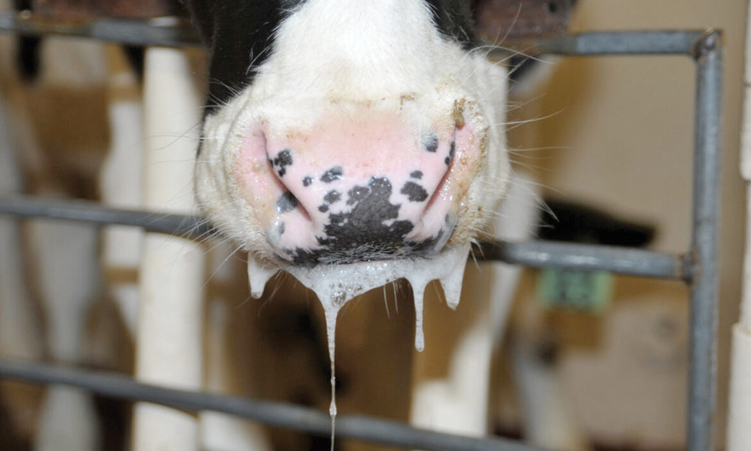
Namibia's Ministry of Agriculture, Fisheries, Water and Land Reform is implementing a significant N$1.5 billion fencing strategy in the ||Kharas region. This initiative aims to safeguard the country's foot-and-mouth disease (FMD)-free status in response to FMD outbreaks occurring in neighboring nations. Minister Inge Zaamwani stated that the primary objective of this extensive veterinary fencing project is to bolster Namibia's defenses against FMD. The strategy also intends to establish crucial buffer zones along the border. Furthermore, the fencing is designed to protect the country's livestock sector and agricultural exports from the devastating economic impacts of FMD. This proactive measure underscores the government's commitment to maintaining disease-free status, which is vital for trade and the livelihoods of its citizens. The project represents a substantial investment in biosecurity and agricultural resilience.
The Namibian government's substantial investment of N$1.5 billion in border fencing reflects a strategic response to regional FMD outbreaks, prioritizing the preservation of its disease-free status. This approach highlights the economic imperative of maintaining biosecurity for agricultural trade and national revenue. From a systems perspective, such infrastructure investments are critical for managing transboundary animal diseases, but they also raise questions about long-term maintenance, ecological impact, and the potential for disease to circumvent physical barriers. Future considerations might include evaluating the cost-effectiveness of such large-scale fencing against alternative or complementary strategies, such as enhanced surveillance, rapid response protocols, and regional cooperation in disease management, especially in the context of evolving climate patterns that can influence disease vectors.
AI-generated to prompt reflection — not editorial opinion, not advice, not a statement of fact. How this works.