Namibia Relocates 575 Animals to Boost Kunene Conservation
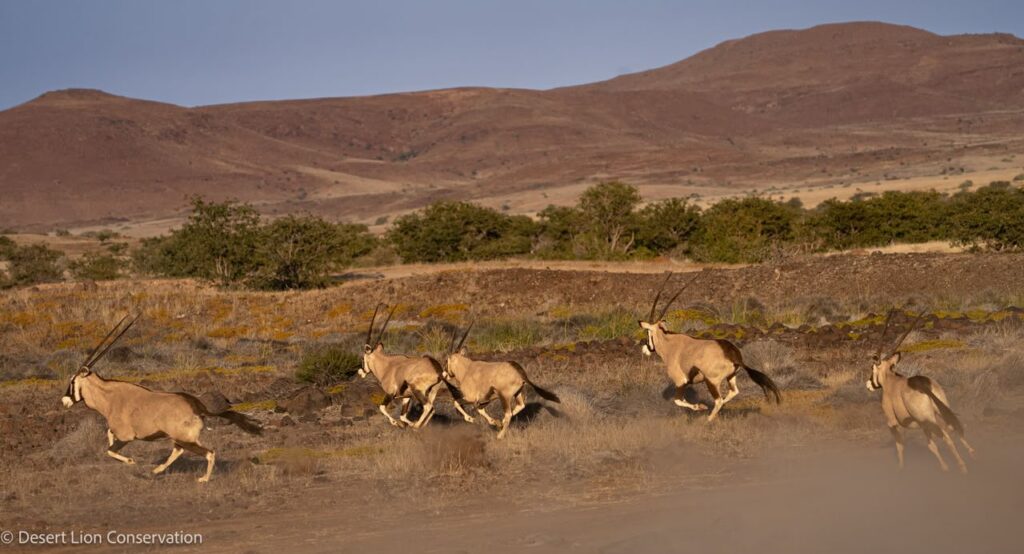
Namibia has successfully relocated 575 wild animals from Etosha National Park to various conservation areas nationwide, with a significant focus on communal conservancies in the Kunene region. This large-scale translocation effort was spearheaded by the Ministry of Environment and Tourism and received crucial support from conservation partners. Tristan Cowley, founder of the Conservation Travel Foundation (CTF), highlighted the initiative as a prime example of effective collaboration between different entities. The program aims to enhance biodiversity and strengthen conservation efforts within these designated areas. The relocation of these animals is expected to bolster the ecological health and resilience of the Kunene region's conservation zones. This initiative underscores Namibia's commitment to wildlife management and the expansion of protected habitats. The successful transfer of such a substantial number of animals signifies a positive step forward for conservation in the country.
This wildlife translocation initiative by Namibia's Ministry of Environment and Tourism, supported by partners like the Conservation Travel Foundation, demonstrates a strategic approach to wildlife management and habitat expansion. By moving 575 animals from Etosha National Park to areas including the Kunene region's communal conservancies, the government is actively working to distribute wildlife populations, potentially reducing pressure on the source park and enriching biodiversity in recipient areas. This strategy aligns with broader conservation goals of increasing the geographic range and resilience of species, particularly in the face of environmental changes and potential habitat fragmentation. The success of such operations hinges on continued inter-agency cooperation, community engagement, and robust monitoring to ensure the well-being of translocated animals and the ecological integrity of their new environments. Future efforts could explore advanced ecological modeling to optimize translocation strategies, ensuring long-term sustainability and minimizing potential human-wildlife conflict in newly populated conservation zones.
AI-generated to prompt reflection — not editorial opinion, not advice, not a statement of fact. How this works.