Namibia Relocates 575 Wild Animals to Boost Conservancy Populations
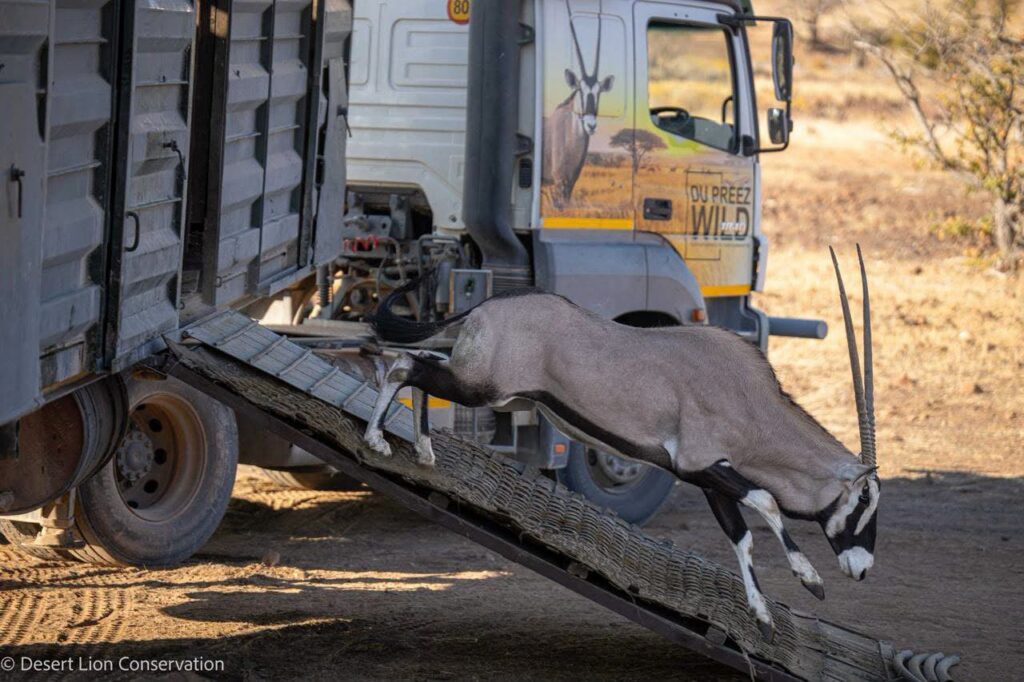
Namibia's Ministry of Environment and Tourism has undertaken a significant wildlife translocation effort, moving 575 wild animals from Etosha National Park to conservancies in the Kunene, Otjozondjupa, and Omusati regions. This initiative, conducted between June 22 and June 29, aims to replenish wildlife populations that have been impacted by drought conditions. Among the relocated animals are 256 springboks and 190 gemsboks, which were moved to the Kunene region. The broader goal is to restore and strengthen the biodiversity within these conservancies. This operation highlights the government's commitment to conservation and managing the effects of environmental challenges on wildlife. The specific numbers and regions involved underscore the scale of the effort to ensure the long-term survival of various species.
This translocation effort by the Namibian Ministry of Environment and Tourism addresses the immediate impact of drought on wildlife populations by redistributing animals to conservancies. Such interventions are crucial for species survival in the face of environmental variability, demonstrating adaptive management strategies. Looking ahead, the sustainability of these efforts will depend on factors such as the long-term carrying capacity of the receiving conservancies, the resilience of the species to climate change, and the effectiveness of ongoing conservation policies. Evaluating the success of this initiative will require monitoring population dynamics, habitat health, and the socio-economic benefits for local communities involved in conservancy management over the next decade.
AI-generated to prompt reflection — not editorial opinion, not advice, not a statement of fact. How this works.