Namibian Parliament's Inaction Criticized as Voter Rights Abuse
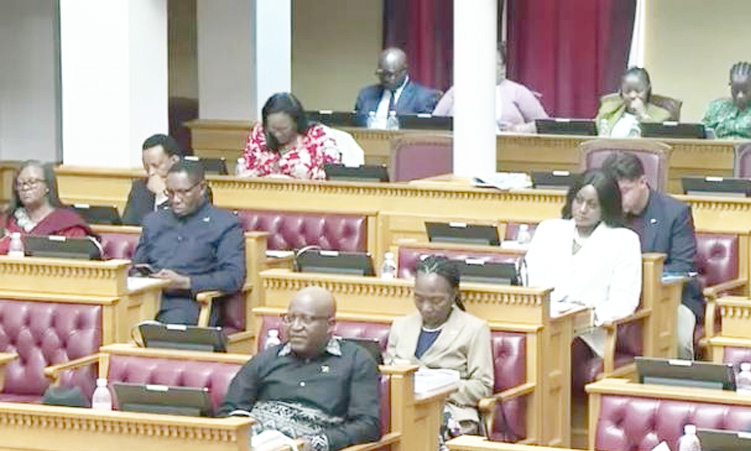
Critics argue that the Namibian Parliament's failure to pass legislation constitutes an abuse of voters' rights. The National Assembly is described as the central body for fulfilling the mandate of the Namibian people. An analogy is drawn comparing a parliament that debates without passing laws to a fruitless tree. The effectiveness of democracy within the parliament is stated to be more than just the number of questions posed by Members of Parliament. The article implies that legislative inaction undermines the democratic process and the representation of the electorate.
The functioning of a legislative body is intrinsically linked to its ability to enact laws, thereby translating the will of the electorate into actionable policy. When a parliament engages in debate but consistently fails to pass legislation, it raises questions about the efficacy of its governance structures and the alignment of its processes with its foundational mandate. This situation can lead to a disconnect between public expectations and governmental output, potentially eroding trust in democratic institutions. Examining the underlying reasons for legislative gridlock, such as political polarization, procedural inefficiencies, or a lack of consensus-building, is crucial for understanding how to strengthen democratic accountability and ensure that elected representatives are effectively serving their constituents.
AI-generated to prompt reflection — not editorial opinion, not advice, not a statement of fact. How this works.