Namibia's housing crisis highlights flawed financial regulations
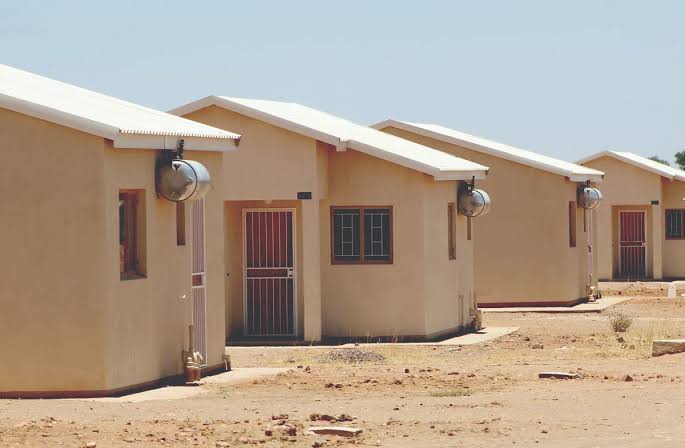
Namibia is grappling with a severe housing crisis, but its financial regulatory system treats essential housing needs and depreciating luxury assets, like cars, as structurally the same. Commercial banks and the Namibia Financial Institutions Supervisory Authority (NAMFISA) currently apply a uniform affordability standard. This benchmark dictates that an individual's total monthly debt repayment should not exceed approximately 30% to 33% of their income. This approach fails to differentiate between the fundamental necessity of shelter and the discretionary nature of vehicle ownership. The current framework may inadvertently exacerbate the housing shortage by imposing similar financial constraints on both essential and non-essential borrowing. Addressing this disparity could be crucial in alleviating the housing crisis.
The current financial regulatory framework in Namibia appears to apply a one-size-fits-all debt-to-income ratio, failing to distinguish between the critical need for housing and the discretionary purchase of vehicles. This systemic oversight may create unintended barriers to homeownership, potentially worsening the housing crisis by treating a fundamental human necessity as equivalent to a depreciating luxury asset. Future policy considerations should explore differentiated affordability benchmarks that acknowledge the societal importance of housing, potentially by allowing for higher debt-to-income ratios for mortgages compared to other forms of credit. Such a recalibration could unlock greater access to housing finance, aligning regulatory practice with the pressing social imperative to provide shelter for citizens, while still maintaining prudent risk management for financial institutions.
AI-generated to prompt reflection — not editorial opinion, not advice, not a statement of fact. How this works.