Namibia's Resource Wealth Contrasts With Persistent Hunger
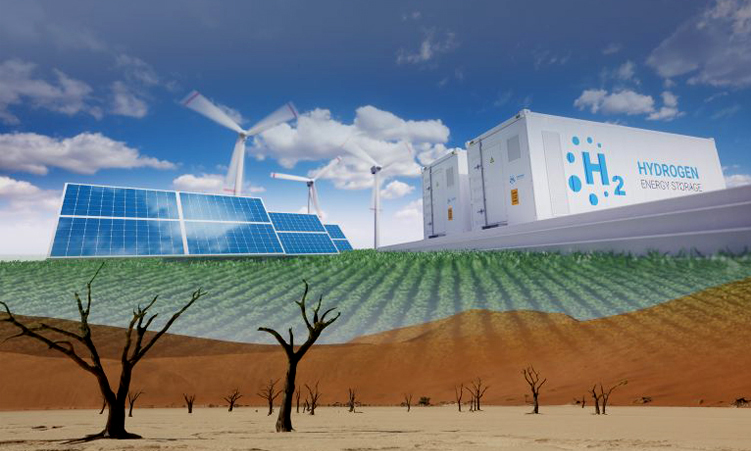
Namibia is frequently portrayed in international media as a nation on the cusp of immense prosperity, with reports highlighting multibillion-dollar green hydrogen projects, significant offshore oil discoveries, and its ascendant position as a top global uranium producer. However, this optimistic narrative starkly contrasts with the reality faced by many citizens on the ground. A visible and concerning paradox exists between the projected wealth and the persistent issue of hunger within the country's towns and cities. The optimistic headlines about future resource-driven fortunes do not appear to be alleviating immediate food insecurity for the population.
The juxtaposition of Namibia's projected resource wealth and ongoing food insecurity presents a critical governance challenge. While significant foreign investment in sectors like green hydrogen and oil, alongside strong uranium markets, promises substantial future revenue, the immediate impact on poverty and hunger remains limited. This situation highlights the importance of effective resource management and equitable distribution mechanisms. Policymakers must consider how to translate potential future economic gains into tangible improvements in citizens' daily lives, ensuring that resource booms do not exacerbate existing social inequalities or fail to address fundamental needs like food security. The coming decade will likely test Namibia's ability to build inclusive economic structures that benefit the broader population, rather than just a select few.
AI-generated to prompt reflection — not editorial opinion, not advice, not a statement of fact. How this works.