Namibia's Schools Hampered by Unreliable Electricity, Affecting Student Performance
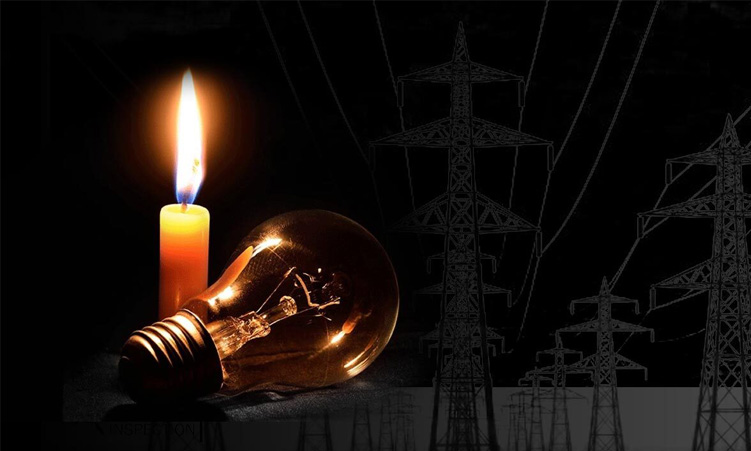
Namibian secondary schools are struggling with a significant obstacle to achieving the nation's Vision 2030 goals: inconsistent electricity supply. Frequent power outages, especially during crucial evening study periods, are negatively impacting student performance and overall well-being across the country. For many government secondary schools, evening study is a mandatory component of the academic schedule, particularly for Grade 10 and Grade 12 students. The lack of reliable power during these times directly hinders their ability to prepare for examinations and succeed academically. This persistent issue poses a considerable challenge to educational outcomes and the country's development aspirations. Addressing the electricity problem is critical for ensuring equitable learning opportunities and supporting student success.
The persistent challenge of unreliable electricity in Namibian secondary schools highlights a critical infrastructure gap that directly impedes educational equity and national development targets like Vision 2030. This situation underscores the systemic vulnerability created when essential services, crucial for academic success, are not robustly provided. The reliance on evening study sessions for exam preparation, a common practice in many educational systems, is rendered ineffective by power instability. Future policy considerations should focus on resilient energy solutions for educational institutions, potentially through decentralized renewable energy sources or improved grid stability, to ensure learning continuity and support student potential, irrespective of external infrastructure failures.
AI-generated to prompt reflection — not editorial opinion, not advice, not a statement of fact. How this works.