Namibian Government Acknowledges 912 Unemployed Youth Not Placed in Jobs
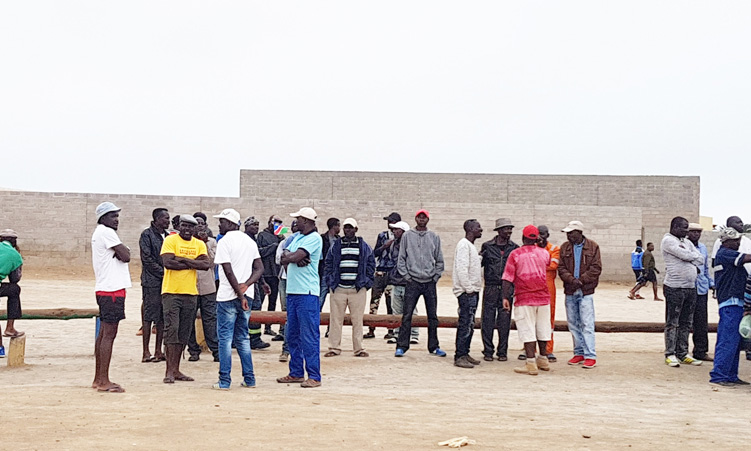
The Namibian government has acknowledged that 912 unemployed youth, registered under the Employment Redress Programme, have not yet been placed in jobs. This admission follows a complaint filed by the Institute for Public Policy Research (IPPR). The IPPR, a government policy research organization, lodged the complaint alleging that the programme failed to provide permanent employment opportunities. The programme was intended to address youth unemployment, a significant issue in Namibia. The government's acknowledgment suggests a gap between the programme's objectives and its actual outcomes. Further details regarding the reasons for the non-placement and the government's proposed solutions are expected. This situation highlights the ongoing challenges in effectively tackling youth unemployment in the country. The IPPR's complaint has brought public attention to the programme's shortcomings. The government's response indicates a willingness to address the issue, but the scale of the problem, with 912 individuals affected, remains substantial.
The Namibian government's acknowledgment of 912 unemployed youth not being placed through the Employment Redress Programme, following a complaint by the Institute for Public Policy Research, points to a systemic challenge in public employment initiatives. This situation underscores the critical need for robust program design, transparent implementation, and effective monitoring mechanisms to ensure public funds allocated to job creation yield tangible results. The discrepancy between program intent and outcome suggests potential issues with resource allocation, beneficiary selection criteria, or the availability of suitable job placements within the Namibian economy. Moving forward, a review of the programme's governance and operational framework, potentially incorporating private sector partnerships and skills development aligned with market demands, could enhance its efficacy. This event serves as a case study for optimizing public policy interventions to address persistent unemployment challenges, particularly among youth, in the coming decade.
AI-generated to prompt reflection — not editorial opinion, not advice, not a statement of fact. How this works.
