Namibian Health Ministry Blocks N$1 Billion Untendered Medicine Purchase
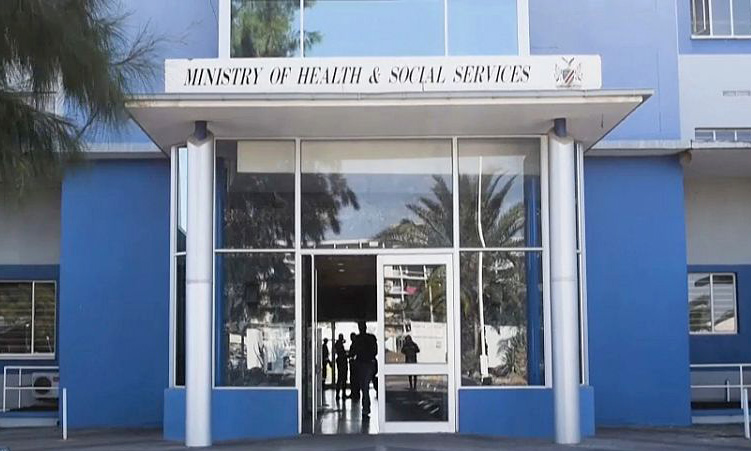
Namibia's Ministry of Health and Social Services' procurement committee has halted a proposal from senior ministry officials to purchase N$1 billion worth of medicine without a public tender. The committee cited concerns that bypassing the standard tender process could expose the procurement to abuse. This decision indicates a potential internal conflict within the ministry regarding the handling of urgent medical supplies. The committee's intervention aims to uphold transparency and prevent potential irregularities in such a significant expenditure. The proposed bypass was intended to expedite the acquisition of essential medicines, but the committee's stance prioritizes adherence to established procurement protocols. The N$1 billion figure represents a substantial investment in the nation's healthcare sector. The procurement committee's decision underscores the importance of due process, even in situations demanding swift action. Further details on the specific medicines or the exact nature of the 'urgent' need were not immediately available. The situation highlights the delicate balance between operational efficiency and robust oversight in public procurement.
The Namibian Ministry of Health's procurement committee has intervened to prevent a N$1 billion medicine purchase from bypassing public tender requirements. This action, while potentially delaying critical supplies, serves to reinforce established governance frameworks designed to mitigate risks of corruption and mismanagement in large-scale public spending. The committee's decision prioritizes procedural integrity over expediency, suggesting a systemic emphasis on accountability within the ministry. Looking ahead, the tension between rapid response needs in healthcare and the imperative for transparent, competitive procurement processes will likely persist, especially in the context of evolving global health challenges and supply chain vulnerabilities. Future policy may need to address mechanisms for expedited, yet still accountable, emergency procurement to navigate such dilemmas effectively.
AI-generated to prompt reflection — not editorial opinion, not advice, not a statement of fact. How this works.