Namibian Minister Refutes Claims of Microchip Tracking in New e-IDs
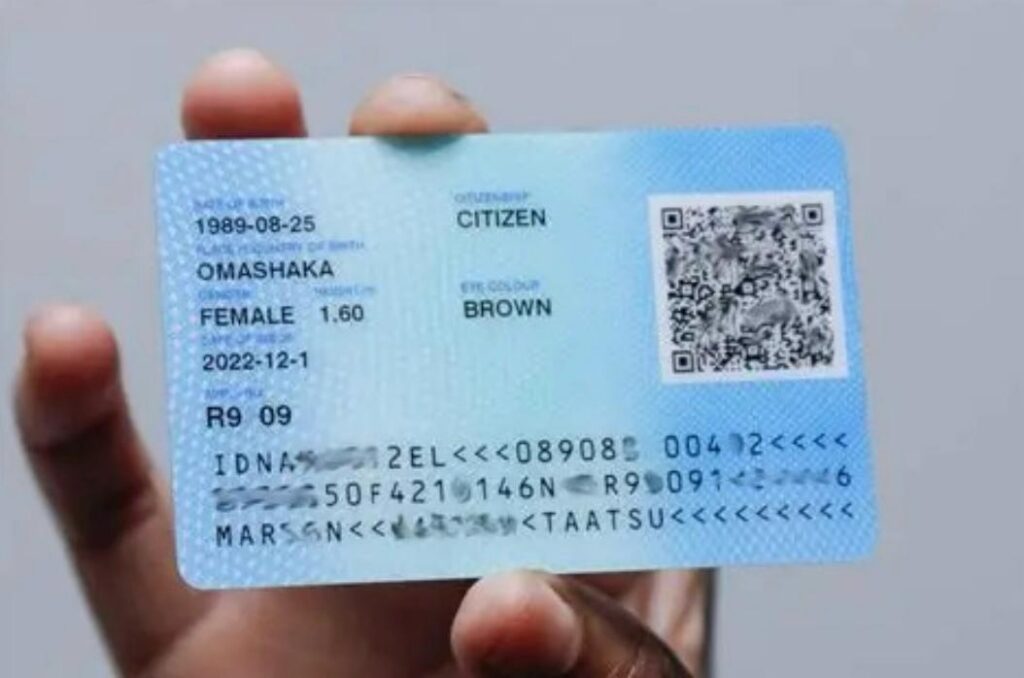
Namibia's Minister of Home Affairs, Lucia Iipumbu, has officially addressed and refuted public concerns regarding the country's upcoming electronic identity documents (e-IDs). These concerns, which have manifested in protests, particularly in the Omusati region, alleged that the new e-IDs would incorporate microchips for the purpose of tracking citizens. Minister Iipumbu's statement aims to allay fears that the government intends to use the e-ID system for surveillance. The protests suggest a significant level of public distrust or misunderstanding surrounding the implementation of digital identification technologies. The government's initiative to introduce e-IDs is intended to modernize identification processes and potentially enhance security and efficiency. However, the public reaction highlights a critical need for transparent communication and education about the capabilities and limitations of such technologies. The ministry is now tasked with rebuilding public confidence and clarifying the actual functionalities of the new electronic identity cards.
The public's apprehension regarding microchip tracking in new e-IDs reflects a broader societal anxiety about data privacy and government surveillance in an increasingly digitized world. While the Namibian government, through Minister Iipumbu, has denied these specific allegations, the incident underscores the challenge of introducing new technologies without fostering public trust. The core issue lies in the perceived potential for misuse of advanced identification systems, irrespective of stated intentions. Future policy regarding digital identity should prioritize robust data protection frameworks, transparent communication strategies explaining technological capabilities and safeguards, and mechanisms for public consultation to address nascent concerns proactively. This approach can mitigate the risk of misinformation and build confidence in state-led technological advancements, aligning with the inevitable trend towards digital governance while respecting individual privacy rights.
AI-generated to prompt reflection — not editorial opinion, not advice, not a statement of fact. How this works.