Namibian Police Launch Nationwide Crackdown on Drunk Driving Until 2027
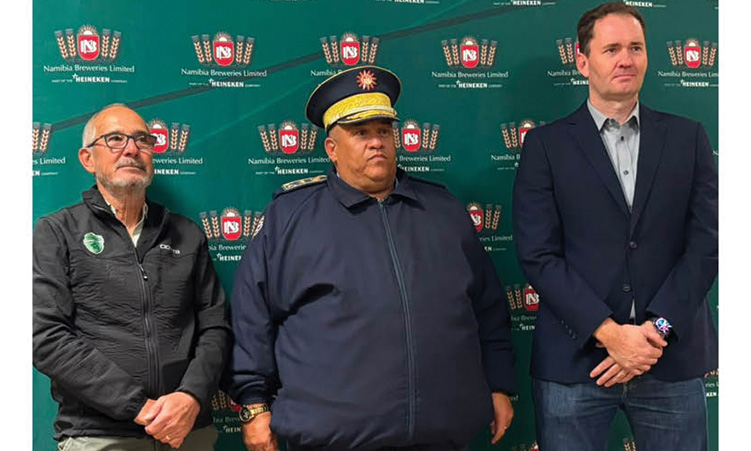
Namibian police have initiated a comprehensive, nationwide campaign to combat drunk driving, which is slated to continue until January 2027. Law enforcement officials have stated that driving under the influence of alcohol is the primary factor contributing to the high incidence of road accidents within the country. As part of this initiative, police will conduct continuous alcohol testing of drivers at roadblocks. The campaign aims to significantly reduce the number of impaired drivers on the road and improve overall road safety. This sustained effort underscores the government's commitment to addressing a persistent public safety issue. The specific target is to test approximately 300 drivers at each roadblock. The initiative is expected to raise public awareness and deter individuals from driving while intoxicated. The police are urging all motorists to exercise caution and responsibility, emphasizing that the consequences of drunk driving can be severe. This long-term strategy reflects a serious approach to tackling the dangers posed by impaired driving.
The Namibian police's extended campaign against drunk driving, targeting 300 drivers per roadblock until 2027, reflects a systemic approach to a persistent public safety concern. By focusing on continuous enforcement and clear communication of the DUI problem's impact on road accidents, authorities aim to alter driver behavior through deterrence and increased apprehension. This strategy acknowledges that sporadic enforcement may not be sufficient to address ingrained habits. The long duration suggests an understanding that behavioral change requires sustained pressure and consistent visibility of law enforcement. The initiative's success will likely depend on resource allocation, public cooperation, and the potential for technological integration in future enforcement strategies within the broader context of road safety policy.
AI-generated to prompt reflection — not editorial opinion, not advice, not a statement of fact. How this works.