Namibian Police Propose Lower Traffic Fines to Aid Poor and Reduce Unpaid Warrants
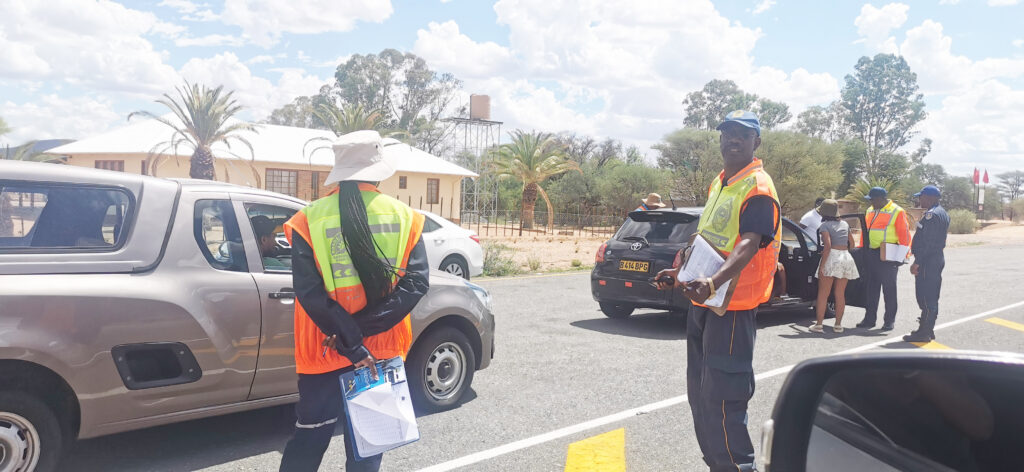
The Namibian police are advocating for a reduction in certain traffic fines, believing that decreased penalties will encourage greater compliance and help clear the increasing backlog of unpaid warrants. Petrus Swartz, the head commissioner of the Traffic Law Enforcement Directorate, presented this proposal during public hearings held by the National Council's standing committee on transport, infrastructure, and housing. These hearings were focused on the issue of road accidents. The police's rationale suggests that making fines more manageable for citizens, particularly those facing financial hardship, could lead to a more effective system of traffic law enforcement. By lowering the financial burden, the authorities hope to see an increase in the number of fines paid, thereby reducing the number of outstanding warrants and improving overall adherence to traffic regulations. This initiative aims to address both the economic challenges faced by the public and the administrative burden of managing a large volume of unpaid fines.
The Namibian police's proposal to reduce traffic fines, framed as a measure to assist the poor and reduce unpaid warrants, highlights a potential tension between punitive enforcement and public compliance. This approach suggests that current fine levels may act as a barrier to adherence for a significant portion of the population, leading to a cycle of non-compliance and mounting debt. From a systems perspective, the effectiveness of traffic law enforcement might be enhanced by recalibrating penalties to be more proportionate to economic realities, thereby fostering a greater sense of civic responsibility. This could shift the focus from revenue generation or punitive measures towards a more collaborative approach to road safety and legal adherence. The long-term implications for road safety and the administration of justice warrant careful consideration, as does the potential impact on the state's revenue streams if fine levels are substantially lowered.
AI-generated to prompt reflection — not editorial opinion, not advice, not a statement of fact. How this works.