Namibians Sweep Streets for Basic Sustenance
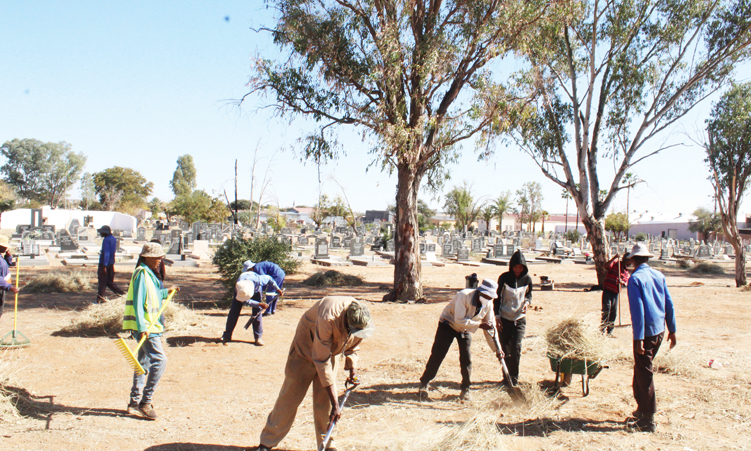
Ignatius Mukatu, a 40-year-old Namibian, eagerly joined a program to sweep the streets of Gobabis several months ago. He was among 30 individuals selected for this daily task, which offered a meager form of compensation. The program aimed to provide employment opportunities for residents facing hardship. Mukatu and others signed up without hesitation, willing to perform manual labor for essential needs. The initiative highlights the challenging economic conditions in Gobabis, where basic sustenance is a primary concern for many. Participants are engaged in cleaning the town's streets on a regular basis. This effort underscores the need for more sustainable employment solutions. The program, though providing immediate relief, points to deeper issues of poverty and unemployment in the region.
This initiative, while providing immediate employment and street cleaning services, raises questions about the long-term sustainability of such programs. Offering work for basic sustenance, like a bowl of rice, suggests a significant gap in formal employment opportunities and living wages. From a systems perspective, this model may not adequately address the root causes of poverty and unemployment, potentially creating dependency rather than fostering economic empowerment. Future policy considerations could focus on skill development and integration into more robust sectors of the economy to ensure dignified livelihoods and reduce reliance on precarious, low-compensation work. The program's success should be measured not just by the number of people employed, but by their transition to more stable and financially secure positions over time.
AI-generated to prompt reflection — not editorial opinion, not advice, not a statement of fact. How this works.