Nandan Nilekani Appointed to Lead Exam Reforms Amid NEET Paper Leak
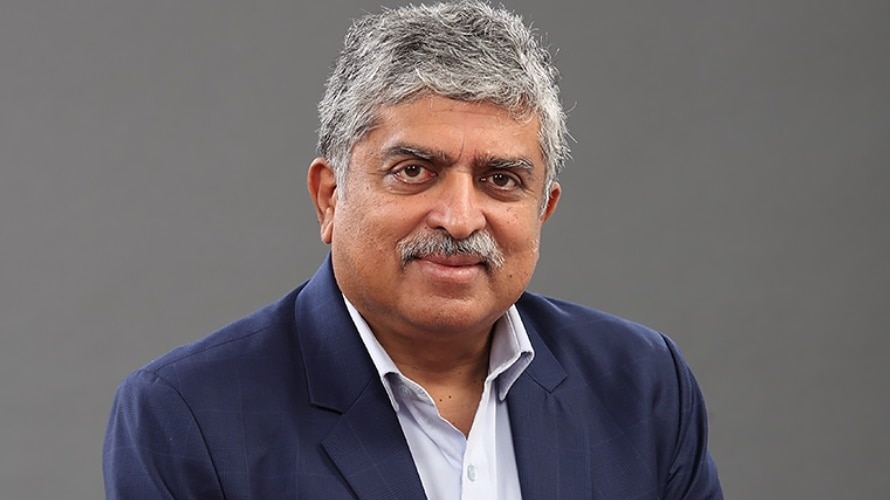
Following the NEET exam paper leak, Nandan Nilekani has been entrusted with the responsibility of overseeing exam reforms. Nilekani, often referred to as the architect of Aadhaar, is set to lead this crucial initiative. His previous work includes establishing India's largest digital identity system, Aadhaar. This appointment signifies a move to leverage his expertise in large-scale digital systems for improving the integrity of national examinations. The government aims to address the systemic issues that led to the recent paper leak and prevent future occurrences. Nilekani's proven track record in building and managing complex technological infrastructure is expected to be instrumental in this reform process. The focus will be on implementing robust measures to ensure fairness and transparency in all future examinations conducted across the country. This development highlights the government's commitment to restoring public trust in the examination system.
The appointment of Nandan Nilekani to lead exam reforms, following a significant paper leak, signals a strategic shift towards leveraging established expertise in digital infrastructure for governance. This move reflects an understanding that robust technological solutions can bolster the integrity of large-scale public systems. The challenge lies in translating Nilekani's success with Aadhaar, a digital identity project, into the complex domain of examination administration, which involves human factors, security protocols, and diverse stakeholder interests. The government's reliance on a figure associated with digital transformation suggests an intent to modernize examination processes, potentially through enhanced data security, online proctoring, or blockchain-based verification. However, the effectiveness of these reforms will depend on addressing the root causes of the leak, which may extend beyond technological vulnerabilities to include institutional accountability and human error. The long-term success will be measured by whether these reforms create a more equitable and trustworthy examination system, fostering confidence among students and the public.
AI-generated to prompt reflection — not editorial opinion, not advice, not a statement of fact. How this works.