Nanoplastics in Drinking Water May Enhance Bacterial Resistance
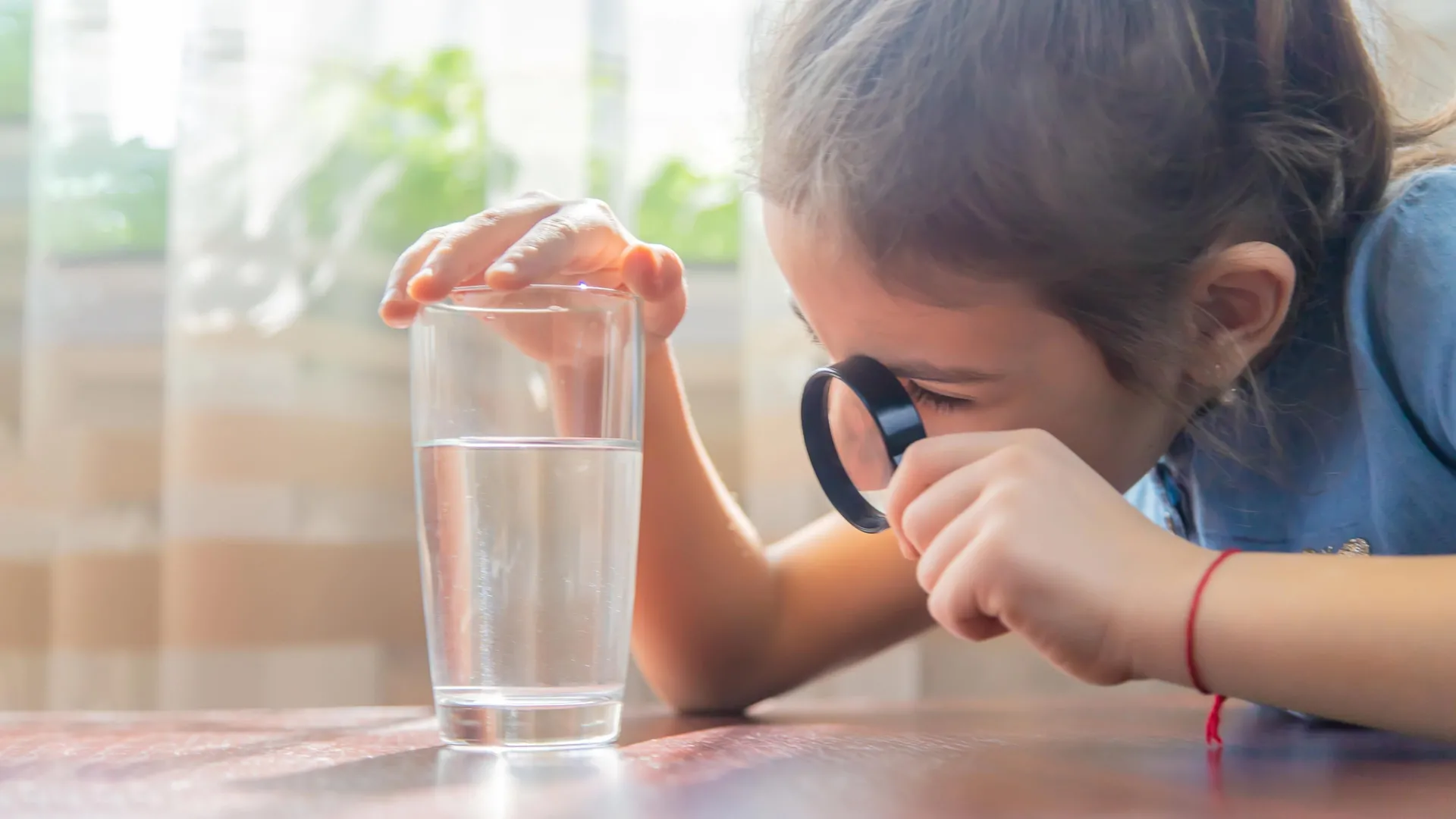
New research indicates that tiny plastic particles, or nanoplastics, found in drinking water may pose an additional threat beyond environmental contamination. These nanoplastics appear to strengthen the slimy biofilms that harmful bacteria create within water systems. This fortification makes the biofilms more resilient to disinfectants, complicating their removal. Consequently, the enhanced resistance of these bacterial communities could elevate public health risks associated with contaminated water supplies. The study suggests a concerning interaction where microplastic pollution inadvertently aids the survival and proliferation of dangerous pathogens.
This research highlights a potential systemic vulnerability where ubiquitous microplastic pollution could inadvertently bolster microbial resistance in critical water infrastructure. The interaction between nanoplastics and bacterial biofilms suggests a novel pathway for increased disinfectant evasion, potentially necessitating a re-evaluation of current water treatment protocols. Future considerations may include advancements in filtration technologies or the development of antimicrobial strategies that account for this newly identified synergistic effect. Understanding these complex environmental interactions is crucial for safeguarding public health in an era of increasing material pollution.
AI-generated to prompt reflection — not editorial opinion, not advice, not a statement of fact. How this works.